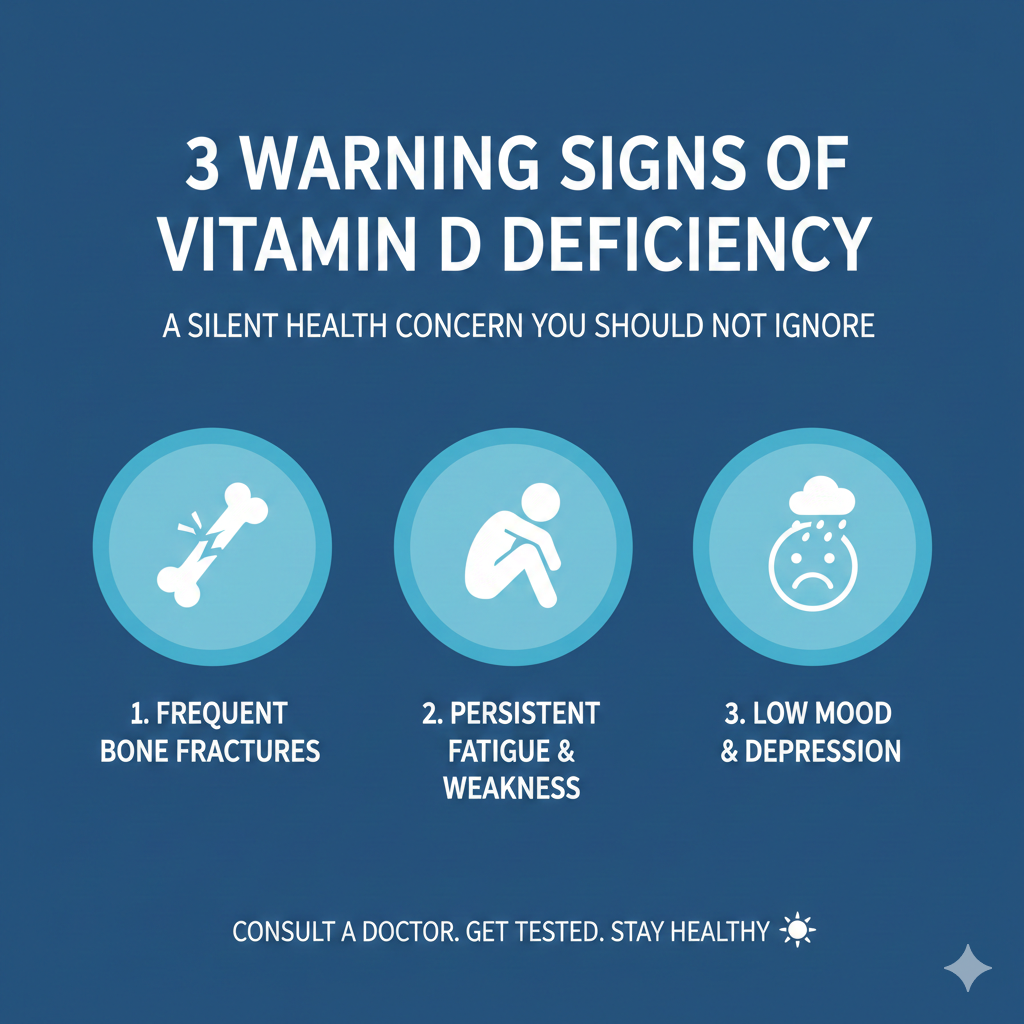
3 Warning Signs of Vitamin D Deficiency : A Silent Health Concern You Should Not Ignore

Vitamin D plays a critical role in maintaining overall health, yet deficiency remains surprisingly common. Often referred to as the “sunshine vitamin,” it supports immune function, bone strength, muscle performance, and even mood stability. Unfortunately, many individuals experience symptoms without recognizing the root cause. Understanding these warning signs is an important step in strengthening healthcare quality improvement insights and promoting preventive wellness strategies.
When left unaddressed, vitamin D deficiency can quietly impact daily performance and long-term health outcomes. Below are three key signs that may indicate your levels are lower than they should be.
Why Vitamin D Is Essential for the Body
Vitamin D helps regulate calcium and phosphorus absorption, which are essential for bone health. Beyond that, it also contributes to:
• Immune system balance
• Muscle coordination and strength
• Inflammation regulation
• Nervous system function
Without adequate vitamin D, the body cannot perform these tasks efficiently, leading to subtle yet meaningful symptoms.
Sign 1: Persistent Fatigue and Low Energy
One of the most common symptoms of vitamin D deficiency is ongoing fatigue. This is not the occasional tiredness that follows a busy day—it is a consistent lack of energy that does not improve with rest.
Individuals may notice:
• Difficulty getting through daily tasks
• Reduced mental clarity
• Low motivation
• General feelings of exhaustion
Vitamin D influences cellular energy production. When levels are insufficient, energy output can decline, leaving individuals feeling drained for extended periods.
Sign 2: Bone Pain and Muscle Weakness
Vitamin D is essential for proper calcium absorption. Without it, bones may gradually lose density, and muscles can weaken.
Common signs include:
• Deep, aching pain in the lower back or legs
• Increased muscle soreness
• Difficulty climbing stairs
• Frequent cramps or stiffness
Over time, untreated deficiency may contribute to more serious concerns, such as reduced bone density or a higher risk of fractures.
Sign 3: Frequent Illness or Slow Recovery
Vitamin D plays a significant role in supporting immune defense. Low levels may weaken the body’s ability to respond effectively to infections.
Possible indicators include:
• Recurrent colds or respiratory infections
• Longer recovery times
• Increased inflammation
• Feeling “run down” more often than usual
If illness seems more frequent or recovery takes longer than expected, it may be beneficial to evaluate vitamin D levels through proper testing.
See also: Treat Mental Health Nevada: Trusted Mental Health Care for Lasting Recovery
Who Is at Greater Risk?
Certain groups are more likely to experience vitamin D deficiency, including:
• Individuals with limited sun exposure
• Older adults
• People living in colder climates
• Individuals with darker skin tones
• Those with digestive conditions affecting nutrient absorption
Lifestyle factors, diet, and geographic location all influence vitamin D status.
How to Address Vitamin D Deficiency
The most reliable way to confirm a deficiency is through a blood test that measures serum vitamin D levels. If levels are low, healthcare providers may recommend:
• Safe sun exposure
• Dietary adjustments
• Vitamin D supplementation
• Ongoing monitoring
Early intervention helps prevent complications and supports long-term wellness.
Conclusion
Vitamin D deficiency often develops gradually, making it easy to overlook. However, persistent fatigue, bone discomfort, and frequent illness are three signs that should not be ignored. Proactive screening and early management can significantly improve overall health outcomes.
Organizations focused on delivering effective clinical consulting services recognize the importance of preventive care strategies that address underlying nutritional deficiencies. By raising awareness and encouraging early detection, individuals and healthcare professionals can work together to support stronger, healthier communities.