Innovations and Advancements in Bariatric Surgery

When non-surgical approaches have been exhausted, some individuals may explore bariatrics. Bariatric surgical procedures have evolved significantly over time, as they modify the digestive system. These advancements focus on refining techniques and incorporating new technologies into patient care. Here is more information about advancements in this field of surgery:
Robotic Surgery
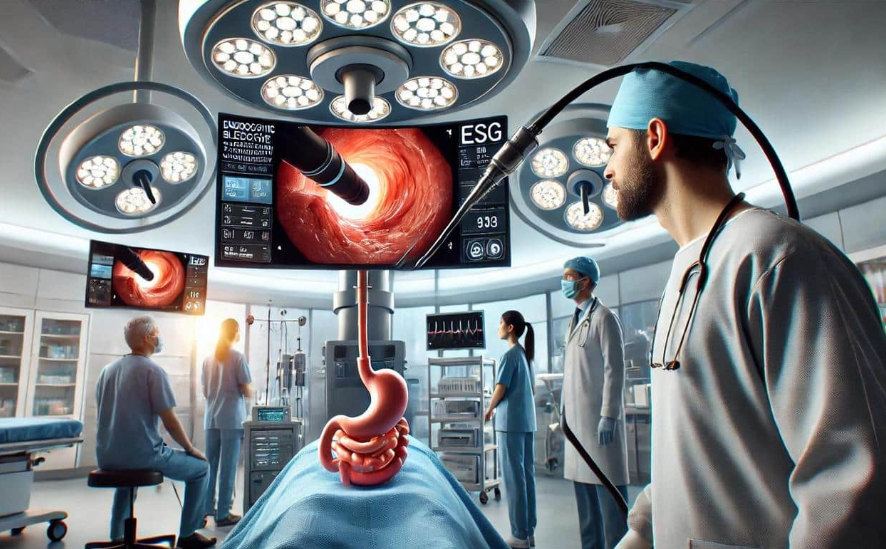
Robotic surgery represents a shift in the performance of bariatric procedures. Surgeons operate robotic platforms that convert their hand movements into precise micro-movements, enabling better dexterity during complex procedures. The use of robotic systems provides surgeons with a high-definition, magnified 3D view of the surgical site.
The instruments used in robotic surgery typically have a wide range of motion. This allows surgeons to perform intricate maneuvers that might be more challenging with traditional instruments. These features help to evaluate the tissue, and surgeons may find it helpful when creating new connections between parts of the digestive tract.
Robotic surgery is a tool in bariatrics, and its application depends on the surgeon’s training and the specific needs of the patient. The technology continues to evolve with new instruments and software updates. Surgeons undergo specialized training to become proficient with these systems because the tactile feedback is different from direct, hands-on surgery.
3D Visualization
Advancements in visualization technology have changed the way surgeons perceive the surgical field. 3D imaging systems are now available for laparoscopic procedures, providing depth perception that is not present in traditional laparoscopy. This enhanced visualization aids in precise tissue and instrument manipulation within the abdominal cavity.
The detailed images from 3D systems help surgeons identify anatomical structures with greater clarity. It may help with tasks that need precise suturing, making procedures more accurate. These systems are compatible with various instruments and are integrated into many modern operating rooms, making them an accessible option for different types of bariatric surgeries.
Advanced Reflux Surgery
Many patients seeking bariatric surgery also experience gastroesophageal reflux disease (GERD). Some surgical techniques target both weight and reflux at the same time. Surgeons may also use magnetic sphincter augmentation devices, such as a flexible ring of magnetic beads, to support a weakened lower esophageal sphincter.
Laparoscopic Techniques
Laparoscopic surgery remains a standard approach for bariatric procedures, and ongoing refinements continue to improve the practice. Innovations in laparoscopic techniques concentrate on minimizing tissue trauma and enhancing procedural efficiency. The development of advanced energy devices aids in sealing tissue, helping to control bleeding precisely.
- Enhanced recovery protocols
- Advanced stapling technology
Other techniques perform leak tests and assess tissue blood supply. By injecting a special dye and using a near-infrared camera, surgeons can visualize blood flow and check the integrity of new surgical connections. These methods are part of a broader set of practices designed to support standard surgical workflows.
See also: Lucy Payton @ HealthSciencesForum: Transforming Health Education for Everyone
Explore Bariatrics With a Surgeon
The field of bariatric surgery is continually advancing with new technologies and refined techniques. Innovations in robotics, visualization, and instrumentation provide surgeons with more tools to perform complex procedures. These developments are part of the ongoing evolution of surgical practice. To understand these options and determine a path forward for your specific situation, schedule a consultation with a qualified bariatric surgeon.