Understanding and Treating Periodontal Disease: A Comprehensive Guide

Introduction
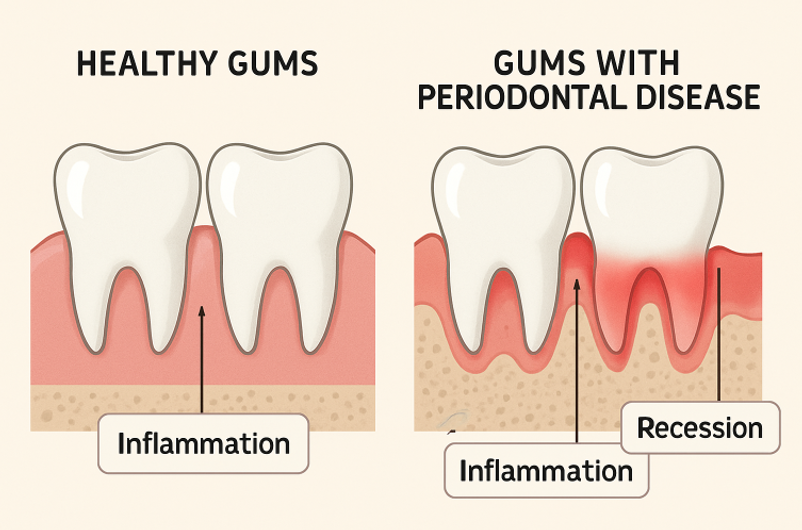
Periodontal disease, commonly known as gum disease, is a widespread oral health issue that affects nearly half of American adults aged 30 and older. The condition typically begins as gingivitis, which causes redness, swelling, and gum bleeding. If left untreated, it can progress to periodontitis, a more severe form that damages the tissues and bone supporting the teeth, potentially leading to tooth loss. Beyond the immediate effects on oral health, untreated gum disease has been linked to systemic health issues, including heart disease, diabetes, and respiratory conditions, highlighting the importance of early detection and care. Regular dental check-ups, proper oral hygiene, and timely intervention by a qualified periodontist are essential to halt disease progression and preserve natural teeth. Awareness of risk factors, such as smoking, poor oral hygiene, and certain medical conditions, empowers individuals to take proactive steps to prevent gum disease. Early recognition and consistent management are key to maintaining not only a healthy smile but also overall long-term well-being.
Role of a Periodontist
A periodontist specializes in the prevention, diagnosis, and treatment of periodontal disease. Their expertise extends to procedures such as scaling and root planing, which involve deep cleaning below the gumline to remove plaque and tartar. This treatment has been shown to reduce gum inflammation and halt disease progression significantly.
Advanced Treatments for Gum Disease
Beyond traditional approaches, periodontists provide a range of advanced treatments designed to address gum disease more effectively and comfortably. One notable option is the Laser-Assisted New Attachment Procedure (LANAP), a minimally invasive technique that uses precision laser technology to remove diseased gum tissue while preserving healthy areas. This method stimulates the regeneration of bone and connective tissue, helping restore the natural structure and support of the teeth. Compared to conventional surgical procedures, LANAP typically results in reduced bleeding, swelling, and postoperative discomfort, allowing patients to recover more quickly. Additionally, the precision of laser treatment lowers the risk of infection. It minimizes tissue trauma, making it an appealing option for individuals seeking a modern, less invasive solution to periodontal problems. By combining advanced technology with expert care, periodontists can achieve better long-term outcomes and support overall oral health.
Importance of Early Intervention
Early detection and timely treatment of gum disease are critical for preserving oral health and preventing serious complications. Research shows that non-surgical interventions, such as scaling and root planing, have success rates of 80–90% when implemented at initial stages, effectively controlling inflammation and halting disease progression. Prompt action reduces the likelihood of tooth loss, bone deterioration, and the need for more invasive procedures. Additionally, untreated periodontal disease has been linked to systemic health concerns, including heart disease and diabetes. Regular dental visits and awareness of early symptoms are essential for ensuring long-term oral and overall health.
Ferber Dental Group’s Approach to Periodontal Health
At Ferber Dental Group, we prioritize comprehensive periodontal care. Our team utilizes state-of-the-art technology, including robotic implant dentistry, to deliver precise, effective treatments. We offer personalized care plans tailored to each patient’s needs, ensuring optimal outcomes and enhanced oral health.
Preventive Measures to Avoid Gum Disease
Maintaining good oral hygiene is fundamental in preventing periodontal disease. This includes brushing twice daily, flossing regularly, and scheduling routine dental check-ups. Additionally, lifestyle choices such as a balanced diet and avoiding tobacco use play a significant role in gum health.
See also: Treat Mental Health Nevada: Trusted Mental Health Care for Lasting Recovery
Frequently Asked Questions
How often should I visit a periodontist?
It’s recommended to have a comprehensive periodontal evaluation annually. However, if you notice symptoms like persistent bad breath, bleeding gums, or loose teeth, schedule an appointment promptly.
Is periodontal treatment painful?
With modern techniques and anesthesia, discomfort during periodontal procedures is minimal. Post-treatment, any discomfort can typically be managed with over-the-counter pain relievers.
Can gum disease affect overall health?
Yes, research has linked periodontal disease to systemic conditions such as heart disease and diabetes. Maintaining gum health is essential for overall well-being.
In summary, addressing periodontal disease with the expertise of a qualified periodontist is crucial for restoring and maintaining oral health. At Ferber Dental Group, we are committed to providing advanced, personalized care to help you achieve a healthy, confident smile.
Conclusion
Gum disease is a widespread condition with serious consequences if left untreated, but early intervention and consistent care make a significant difference. Regular visits to a periodontist, combined with diligent daily oral hygiene, allow for early detection, effective treatment, and prevention of progression. Advanced procedures like LANAP provide minimally invasive options that promote faster healing and preserve natural teeth. Maintaining healthy habits, such as brushing, flossing, and avoiding tobacco, supports long-term periodontal health and contributes to overall well-being. By prioritizing preventive care and seeking expert guidance when needed, you can safeguard your gums, maintain a confident smile, and reduce the risk of complications associated with periodontal disease.