How does nighttime behavior help cockroaches avoid detection in homes?

Cockroaches are among the most persistent and unwelcome pests found in homes across the world. Their ability to thrive in a variety of environments, coupled with their elusive nature, makes them particularly difficult to manage. One of the key reasons cockroaches are so hard to spot is their preference for nighttime activity. By remaining hidden during the day and emerging only after dark, these insects are able to avoid detection and increase their chances of survival. Understanding how their nocturnal habits contribute to their stealth can help homeowners recognize the signs of an infestation and take appropriate action to address the problem.
Why cockroaches are active at night
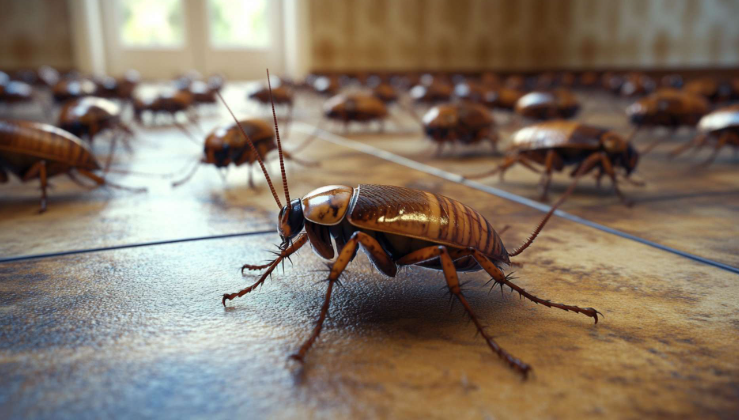
Cockroaches have evolved to be primarily nocturnal creatures, meaning they are most active during the night. This behavior is not random but is a result of millions of years of adaptation to avoid predators and increase their chances of survival. During daylight hours, cockroaches hide in dark, secluded places such as cracks, crevices, behind appliances, and inside walls. These hiding spots provide them with protection from both natural predators and humans. When night falls and the environment becomes quieter and darker, cockroaches feel safer to venture out in search of food and water. The cover of darkness allows them to move about with less risk of being seen or caught. This nocturnal activity is also linked to their biological rhythms, which are regulated by internal clocks that prompt them to be active when it is safest. As a result, homeowners are far less likely to spot cockroaches during the day, making it challenging to detect an infestation until it becomes severe.
How nighttime habits reduce detection
The nighttime habits of cockroaches play a significant role in helping them avoid detection in homes. By restricting their activity to the hours when humans are typically asleep or less active, cockroaches minimize their chances of being seen. Most people are not awake or moving around their homes in the middle of the night, which gives cockroaches free rein to explore kitchens, bathrooms, and other areas in search of food and water. This behavior also means that any evidence of their presence, such as droppings or shed skins, is often discovered only after the fact, making it harder to catch them in the act. The ability to remain hidden during the day and active at night allows cockroaches to establish themselves in a home for weeks or even months before their presence is noticed. This stealthy approach is one of the main reasons why infestations can grow quickly and become difficult to control once they are finally detected.
The role of nocturnal behavior in survival
Nocturnal behavior is a crucial survival strategy for cockroaches. By being active at night, they avoid many of the dangers that come with daylight, such as exposure to predators and humans. This behavior also helps them conserve energy, as nighttime temperatures are generally cooler and less stressful for their bodies. Cockroaches are highly sensitive to light and vibrations, which is why they scatter quickly when a light is turned on or when they sense movement. Their nocturnal habits allow them to exploit the quiet and darkness of the night to forage for food and water with minimal risk. This is particularly important in urban environments, where human activity is constant during the day. By waiting until nightfall, cockroaches can move about undisturbed, increasing their chances of finding the resources they need to survive. For those seeking cockroach control Salt Lake City, understanding these nighttime behaviors is essential for developing effective strategies to manage and prevent infestations.
Cockroach senses and nighttime navigation
Cockroaches possess highly developed senses that aid them in navigating their environment during the night. Their antennae are extremely sensitive to touch and smell, allowing them to detect food sources, water, and even the presence of other cockroaches in complete darkness. Their compound eyes, while not as effective as human eyes in daylight, are well adapted to low-light conditions, enabling them to detect movement and changes in light intensity. This sensory adaptation is a key factor in their ability to avoid detection, as it allows them to quickly retreat to safety at the slightest hint of danger. Cockroaches also communicate with each other using chemical signals called pheromones, which help them coordinate their activities and find safe hiding spots. These advanced sensory abilities, combined with their nocturnal habits, make cockroaches highly efficient at avoiding humans and other threats. As a result, they can thrive in homes for extended periods without being noticed, making early detection and intervention all the more challenging.
See also: Common Plumbing Issues Homeowners Should Know
Nighttime activity and household environments
The typical household environment provides numerous opportunities for cockroaches to exploit their nighttime behavior. Kitchens, bathrooms, basements, and laundry rooms often have small cracks, gaps, and hidden spaces that serve as ideal hiding spots during the day. At night, when the lights are off and the house is quiet, cockroaches emerge to search for crumbs, spills, and other food sources that may have been left behind. Even the smallest amount of moisture from a leaky faucet or condensation can attract these pests. The ability to move about undetected allows cockroaches to contaminate food, spread bacteria, and leave behind allergens without being seen. Over time, their population can grow rapidly, as they reproduce quickly and can survive on very little food. Homeowners may only become aware of an infestation when they spot a cockroach during the day, which usually indicates that the population has grown large enough to force some individuals out of hiding due to overcrowding.
Quick look: Cockroach hiding spots
Cockroaches are masters at finding and utilizing hiding spots within homes. They prefer dark, warm, and humid areas such as behind refrigerators, under sinks, inside cabinets, and within wall voids. These locations provide them with the safety and seclusion they need to remain undetected during the day. Their flat bodies allow them to squeeze into incredibly tight spaces, making it difficult for homeowners to find and eliminate them. Regular cleaning and sealing of potential entry points can help reduce the likelihood of cockroach infestations. When hidden voids and structural gaps remain unaddressed, local insect populations can easily establish a presence during the day and expand undetected. Implementing proactive maintenance helps close these entry pathways before nocturnal pests can utilize them to access food or moisture. For residents dealing with persistent structural vulnerabilities, consulting with a specialist in pest control ann arbor can provide a comprehensive review of your property to locate subtle entry areas. Combining regular sanitation practices with targeted exclusion techniques supports long-term prevention and helps protect your household environment from ongoing pest activity.
Human activity and cockroach avoidance
Human activity patterns play a significant role in how cockroaches time their movements. Most households are busiest during the day and early evening, with lights on and people moving from room to room. Cockroaches have learned to associate these periods with danger and disturbance, prompting them to remain hidden until the environment becomes quiet and dark. This avoidance behavior is so ingrained that even the slightest increase in light or noise can send cockroaches scurrying back to their hiding places. As a result, homeowners rarely see cockroaches unless they enter a room unexpectedly at night or turn on a light suddenly. This ability to synchronize their activity with human routines allows cockroaches to exploit the resources available in homes while minimizing their risk of detection. It also means that traditional pest control methods, such as traps and baits, must be strategically placed and timed to be effective against these elusive pests.
Conclusion
Understanding the nighttime behavior of cockroaches is essential for recognizing how these pests manage to avoid detection in homes. Their preference for darkness, combined with their advanced sensory abilities and strategic use of hiding spots, allows them to thrive in human environments with minimal risk of being seen. By restricting their activity to the hours when people are least likely to be awake, cockroaches can forage for food and water, reproduce, and expand their populations largely unnoticed. This stealthy approach makes early detection and control challenging, emphasizing the importance of regular cleaning, maintenance, and vigilance in preventing infestations. Homeowners who are aware of these nocturnal habits are better equipped to identify the subtle signs of cockroach activity and take timely action to protect their homes from these persistent pests.