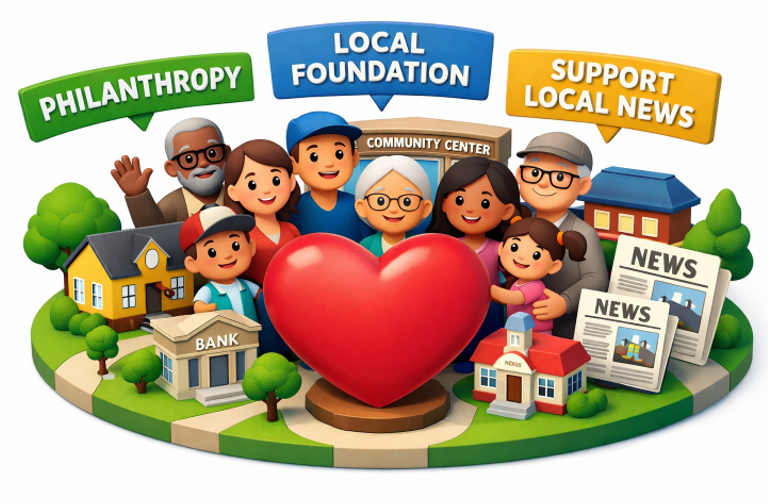
How Local Philanthropy Strengthens Communities

The Role of Local Philanthropy in Community Development
Local philanthropy is about supporting causes that directly impact the places where people live, work, and raise their families. This approach to giving results in more visible, meaningful change and forges strong connections between donors and their communities. Individuals and organizations that invest their resources locally help to address a wide range of needs, such as education, public health, disaster relief, and workforce training, in ways that align with local priorities and cultural values. A great example of a successful community-focused initiative is Cane Bay Cares, which demonstrates how targeted local support can produce lasting benefits and create a ripple effect throughout the broader region.
Community leaders and philanthropists often have an intimate understanding of the specific challenges facing their neighborhoods. This insight allows them to channel resources where they will be most effective, whether that means investing in youth programs, upgrading local infrastructure, or supporting grassroots movements. Local philanthropy is not just about writing checks; it is about generating tangible, measurable, and deeply felt results for residents. As national and global challenges place increasing strain on local systems, the role of locally driven giving becomes even more essential to fill gaps left by broader initiatives.
Local philanthropic initiatives also foster a sense of ownership, belonging, and trust among community members. When residents see that their voices are heard and their needs are being met, they are more likely to become involved in civic life and contribute back to the community in meaningful ways. Community giving programs continually demonstrate that investing in local initiatives leads to vibrant neighborhoods, safer cities, and greater opportunities for all. According to a recent study by the Center for Innovation & Sustainability in Local Media, local philanthropic giving also strengthens local democracy by encouraging a more informed and engaged citizenry.
This grassroots approach to philanthropy is also highly adaptive. With the support of passionate local leaders and flexible funding, communities can respond quickly to unexpected crises, such as natural disasters or sudden economic downturns. Local agencies, nonprofits, and community foundations often have the experience and relationships to mobilize volunteers, distribute aid, and rebuild infrastructure in ways that larger organizations may not.
Community Foundations as Catalysts for Change
Community foundations are pivotal in channeling the energy and resources of local donors into projects that make a tangible impact. Serving as trusted advisors, these foundations help individuals, families, and businesses develop charitable plans that maximize the benefits for both donors and the communities they care about. Community foundations handle everything from setting up donor-advised funds to managing grantmaking and ensuring regulatory compliance, which makes it easier for people to give effectively and sustainably.
One of the unique strengths of community foundations is their broad perspective. They can identify critical needs across sectors, such as education, housing, healthcare, and arts, and encourage collaboration between organizations, local governments, and philanthropists. Many community foundations also have the capacity to convene stakeholders, promote shared goals, and drive accountability. This makes them powerful engines for social innovation and problem-solving at the local level.
Supporting Local News Organizations
The decline of local newspapers and news outlets has left many communities struggling to stay informed, thereby eroding civic engagement and undermining democratic processes. Philanthropic support for local news organizations has become a vital strategy in counteracting this trend, fostering transparency and ensuring that residents have access to trustworthy information about municipal budgets, public health updates, local elections, and more. According to research from the Center for Innovation & Sustainability in Local Media, philanthropic investments have been key to preserving independent, locally relevant journalism in the digital era.
By supporting local news, philanthropy not only helps fill the information gap but also empowers residents to advocate for their communities. Local reporting increases accountability, exposes injustice, and highlights positive stories, all of which contribute to a stronger, more unified community fabric.
Challenges and Opportunities in Local Philanthropy
Despite its growth, local philanthropy faces challenges, particularly around resource gaps and sustainability. Charitable giving to local journalism, for example, still lags far behind donations to other types of organizations. Yet its importance continues to grow amid diminishing advertising revenues and changing media consumption habits. Philanthropists have an urgent opportunity to step in, rebuild the infrastructure for local civic information, and revitalize American democracy at its roots by supporting transparent, independent local journalism.
On the positive side, the rise of collaborative funds, giving circles, and partnerships between local businesses and nonprofit organizations presents new opportunities for innovation. Those who seek to make a difference can amplify their efforts and reach larger audiences through collaboration, shared learning, and creative grantmaking approaches.
Case Studies: Successful Local Philanthropy Initiatives
Across the United States, local philanthropic efforts have delivered inspiring results. For instance, collaborations between community foundations and grassroots organizations have enabled rapid disaster response, sustained after-school programs, and initiated projects such as community gardens and job-training initiatives focused on regional needs. In many regions, community foundations have stepped up to support local newsrooms, demonstrating the power and potential of targeted giving.
These case studies illustrate the transformative effect of local philanthropy. They also provide important models for others seeking to launch their own philanthropic journeys, proving that it is possible to make a meaningful, visible impact even with modest resources when efforts are focused and community-driven.
See also: Understanding What Triggers Spinal Instabilities
Strategies for Effective Local Philanthropy
To maximize the impact of local philanthropy, it is important to adopt a strategic approach. This includes creating clear goals, collaborating with trusted local partners, and regularly measuring progress. Family philanthropies and small donors can make a difference by supporting community organizing, which empowers residents, fosters democratic skills, and holds institutions accountable in ways that direct service alone cannot.
Building relationships with community members, listening to their needs, and remaining flexible are all key tactics. Successful local philanthropists often embrace transparency and strive to work in partnership with the people they serve, ensuring that funding addresses deeply-rooted challenges while promoting long-term resilience and growth.
Conclusion
Local philanthropy holds the power to build stronger, more connected communities by targeting the specific needs of people and places. By supporting local news, investing in community foundations, and fostering civic engagement, donors don’t just help their neighborhoods thrive; they also lay the foundation for a more equitable, educated, and democratic society for generations to come.