Why ‘Soft Smile Aesthetics’ Are Replacing Perfect Teeth And How Clear Aligners Fit In

A noticeable shift is happening in the way people think about their smiles. The focus is moving away from ultra-bright, perfectly uniform teeth toward something more natural. This approach, often called “soft smile aesthetics,” values balance, proportion, and individuality over a one-size-fits-all look.
Instead of chasing a picture-perfect result, many people now want a smile that feels like their own, just a more refined version of it. This is where clear aligners are finding a meaningful role.
What Is a “Soft Smile”?
A soft smile isn’t about flaws. It’s about harmony.
Rather than aiming for identical tooth shapes and stark whiteness, this approach considers how teeth, lips, and facial features work together. Slight variations in tooth size or alignment are not always seen as problems. In fact, they can add character.
This shift is influenced by changing beauty standards. Social media has played a part, but so has a broader move toward authenticity. People are more comfortable embracing features that look real instead of overly polished.
Why the “Perfect Smile” Is Losing Appeal
For years, the idea of a perfect smile was shaped by uniform veneers and bright, straight rows of teeth. While that look still exists, it no longer appeals to everyone.
Younger patients, especially, are more cautious about treatments that dramatically change their appearance. There is a growing awareness that over-correcting teeth can sometimes make a smile look unnatural or out of sync with facial features.
Patients now ask different questions-
- Will this still look like me?
- Can changes be subtle rather than dramatic?
- Is it possible to improve alignment without altering personality?
These questions reflect a deeper interest in personalization rather than perfection.
The Role of Clear Aligners in Subtle Changes
This is where clear aligners fit naturally into the conversation.
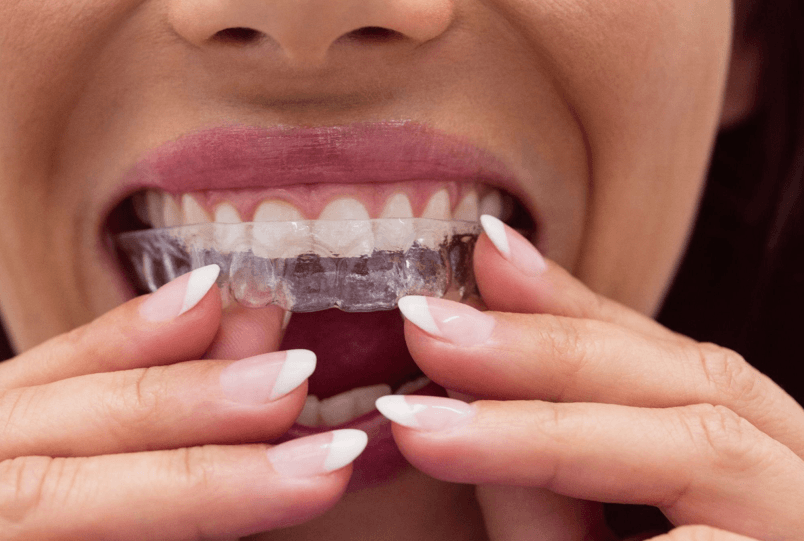
Unlike traditional methods that may focus on achieving a uniform end result, clear aligners allow for gradual and controlled adjustments. Treatment planning can be tailored to preserve natural characteristics while improving alignment.
Because the process is step-by-step, small refinements can be made along the way. This flexibility makes it easier to avoid overcorrection and maintain a balanced look.
Another advantage is visibility. Since clear aligners are discreet, they support the idea of quiet improvement. Many people prefer making changes without drawing attention to the process itself.
Micro-Adjustments Over Major Transformations
One of the most interesting developments in orthodontics is the rise of “micro-adjustments.”
Instead of full-scale transformations, patients are choosing to-
- Slightly close small gaps.
- Gently align front teeth.
- Improve bite comfort without dramatic reshaping.
Clear aligners are well-suited for these kinds of focused changes. They allow orthodontists to fine-tune specific areas rather than overhaul the entire smile.
This approach often leads to results that feel more natural. The goal is not to create a new smile, but to enhance what is already there.
A Shift in Patient Mindset
The move toward soft smile aesthetics is not just about appearance. It reflects a change in mindset.
People are becoming more thoughtful about long-term outcomes. They want results that age well and continue to feel comfortable years later. There is also more awareness of how dental treatments interact with facial structure, speech, and daily habits.
With clear aligners, patients often feel more involved in the process. Since they wear and manage the trays themselves, they develop a better understanding of how small changes add up over time.
This sense of control and awareness aligns well with the broader trend of mindful self-improvement.
Balancing Function and Aesthetics
While aesthetics are important, function still matters. A well-aligned bite can support oral health, reduce strain, and improve comfort.
The advantage of using clear aligners in a soft aesthetic approach is that both goals can be addressed together. Adjustments can be made in a way that supports function without pushing the smile toward an artificial look.
Orthodontists today often plan treatments with this balance in mind, ensuring that improvements feel natural, not forced.
See also: Treat Mental Health Nevada: Trusted Mental Health Care for Lasting Recovery
Why Subtlety Feels More Personal
There is something inherently appealing about changes that are not immediately obvious. Subtle improvements tend to feel more personal and less performative.
People may notice that a smile looks more relaxed or balanced, even if they cannot pinpoint exactly what changed. This kind of outcome often feels more satisfying because it blends seamlessly into everyday life.
For practices such as Textbook Orthodontics, this approach reflects a broader understanding of patient preferences, focusing on thoughtful, individualized care rather than dramatic transformations.
Final Thoughts
Soft smile aesthetics represent a quiet but meaningful shift in orthodontics. The goal is no longer perfection at any cost, but balance, comfort, and authenticity.
Clear aligners support this approach by offering precision without rigidity. They make it possible to refine a smile in a way that respects individuality and avoids overcorrection.
As more people choose subtle improvements over dramatic changes, the idea of what makes a “good smile” continues to evolve. In many cases, it is not about standing out, it is about feeling like yourself, just a little more at ease.