Can Collapsed Veins Heal on Their Own? Understanding Recovery and Care

Veins are critical for returning blood to the heart and maintaining healthy circulation. Occasionally, a vein may collapse, disrupting normal blood flow and causing discomfort, swelling, or tenderness. Many patients wonder, can collapsed veins heal on their own, or is professional intervention necessary? Understanding this can help you make informed decisions about your vascular health.
At Vascular & Interventional Specialists of Prescott (VISP), we provide advanced evaluation and minimally invasive treatments for vein-related conditions, ensuring patients receive care tailored to their specific needs.
What Causes Vein Collapse?
Vein collapse can occur due to trauma, repeated medical procedures, dehydration, inflammation, or underlying vascular disorders. Frequent IV access, repeated blood draws, or direct injury to the vein may weaken its walls, increasing the likelihood of collapse. Some systemic conditions that affect circulation or blood volume can also contribute to vein vulnerability.
Identifying the cause of vein collapse is crucial to determining whether it might heal naturally or requires medical treatment.
Can Collapsed Veins Heal Naturally?
The answer depends on several factors, including the severity of the collapse and overall vascular health. In mild cases, the body may adapt, and the vein can recover partially over time. Hydration, avoiding repeated stress on the affected vein, and gentle activity can support natural healing.
However, not all collapsed veins recover on their own. Persistent or severe collapse may interfere with circulation, lead to pain, or cause complications. In these cases, professional evaluation is necessary to restore proper function and prevent further issues.
Recognizing the Signs of a Collapsed Vein
Knowing the early indicators can help you seek timely care. Signs that a vein may have collapsed include:
- Tenderness or pain along the vein
- Swelling or localized puffiness
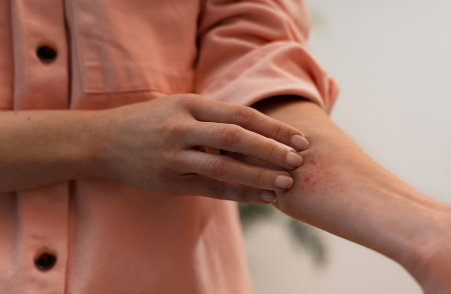
- Discoloration near the affected area
- Difficulty using the vein for injections or blood draws
- A sensation of tightness or reduced blood flow
If these symptoms persist, professional assessment ensures the proper steps are taken to restore vein health.
How VISP Can Help
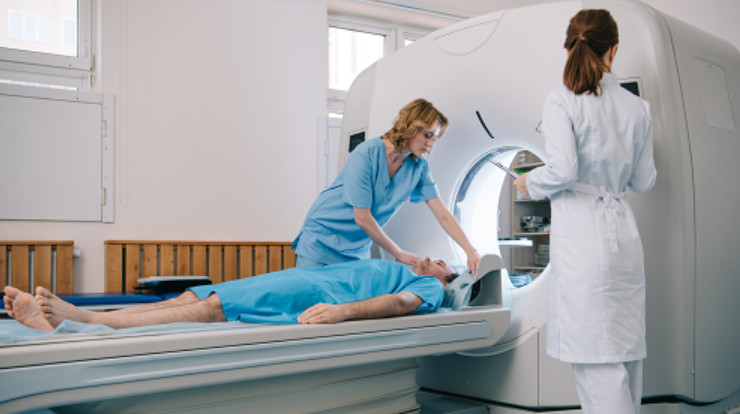
At VISP, specialists perform thorough evaluations to determine the severity and cause of vein collapse. Using advanced imaging techniques, our team can pinpoint problem areas and design a personalized treatment plan.
Treatment options may include minimally invasive procedures to reinforce the vein wall and restore circulation. These approaches focus on reducing discomfort, supporting vascular health, and minimizing recovery time.
Supporting Vein Health
Even when veins have the potential to heal naturally, maintaining proper vascular health is important. Strategies include:
- Staying well-hydrated to support blood flow
- Avoiding repetitive stress on vulnerable veins
- Following medical guidance for IV or injection procedures
- Regular vascular check-ups to monitor vein integrity
Proactive care not only aids healing but also reduces the likelihood of future vein complications.
Final Thoughts
Many patients ask, can collapsed veins heal on their own? The answer depends on the severity and underlying cause. While some mild collapses may improve naturally, most cases benefit from professional evaluation and targeted care.
At Vascular & Interventional Specialists of Prescott, patients receive expert assessment, minimally invasive treatment options, and personalized guidance to restore vein function and comfort. Early intervention is the key to effective recovery and long-term vascular health.