How Massage Therapy and Spinal Decompression Support Back Pain Relief

Understanding Massage Therapy For Back Pain
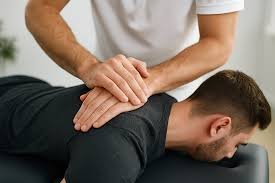
When your back is acting up, it’s easy to feel like you’re stuck. But there are ways to get things moving better, and massage therapy is a big one. It’s not just about a nice rubdown; it’s a hands-on approach that can really make a difference for a sore back.
How Massage Therapy Relieves Stress and Tension
Think about how you feel after a really stressful day. Your shoulders might be tight, your neck stiff, and your lower back might ache. That’s your body holding onto tension. Massage therapy works by directly addressing these tight spots. The therapist uses different techniques to knead, stroke, and apply pressure to your muscles. This helps to loosen them up, increase blood flow to the area, and signal your nervous system to relax. It’s like hitting the reset button for your muscles.
Targeting Muscle Imbalances with Massage
Sometimes, back pain isn’t just one thing. You might have one set of muscles that are too tight and another set that are weak. This imbalance can pull your spine out of alignment and cause pain. A skilled massage therapist can identify these areas. They’ll work on lengthening the tight muscles and sometimes even suggest exercises to strengthen the weaker ones. This helps bring your body back into better balance, which is key for long-term relief.
Improving Circulation Through Massage Techniques
Good blood flow is important for healing. When muscles are tight or injured, circulation can slow down. Massage techniques like effleurage (long, gliding strokes) and petrissage (kneading) help to push blood through the muscles. This brings in fresh oxygen and nutrients that your tissues need to repair themselves. It also helps to flush out waste products that can build up and contribute to pain. Basically, massage helps your body’s natural healing process work more efficiently.
The Role Of Spinal Decompression Therapy
How Spinal Decompression Works
Spinal decompression therapy is a non-surgical treatment designed to relieve pressure on the spinal cord and nerve roots. It works by gently stretching the spine, creating negative pressure within the discs. This negative pressure can help to retract bulging or herniated discs and draw in nutrient-rich fluids, promoting healing. The process typically involves a specialized traction table that applies controlled, intermittent pulling forces to the spine. This careful manipulation aims to decompress the affected areas without causing further strain.
Relieving Pressure on Nerves
When discs in the spine bulge, herniate, or degenerate, they can press on the nearby nerves. This compression is often the source of significant pain, numbness, and tingling that can radiate down the legs (like in sciatica) or into the arms. Spinal decompression therapy directly addresses this by creating space between the vertebrae. This separation reduces the pressure on the compressed nerves, allowing them to function more normally and alleviating the associated symptoms. It’s a way to give those pinched nerves some much-needed breathing room.
Treating Conditions Like Sciatica
Sciatica is a common condition where pain travels along the path of the sciatic nerve, usually starting in the lower back and extending down the leg. It’s often caused by a herniated disc or bone spur pressing on the nerve. Spinal decompression therapy is particularly effective for sciatica because it targets the root cause: the pressure on the nerve. By decompressing the lumbar spine, it can help to pull the herniated disc material back into place, relieving the irritation of the sciatic nerve. Other conditions that benefit include:
- Herniated or bulging discs
- Degenerative disc disease
- Pinched nerves (radiculopathy)
- Facet joint syndrome
- Nerve root compression
This therapy offers a gentle, non-invasive alternative for individuals suffering from chronic back pain and nerve impingement, aiming to restore spinal health and reduce discomfort without surgery.
Synergistic Benefits Of Combined Therapies
Enhancing Recovery with Massage and Decompression
When you combine massage therapy with spinal decompression, you’re essentially creating a powerful one-two punch against back pain. Massage gets in there to loosen up those tight muscles and knots that might be contributing to your discomfort or even making the decompression less effective. Think of it like preparing the ground before planting seeds – you need to loosen the soil first. Then, spinal decompression can work its magic more effectively, gently stretching the spine and creating space. This combination helps reduce muscle guarding, making the decompression treatment more comfortable and potentially yielding better results. It’s about addressing both the muscular and structural components of your pain.
A Holistic Approach to Spinal Health
Instead of just treating the symptom, combining these therapies offers a more complete picture of your spinal health. Massage addresses the soft tissues – the muscles, ligaments, and fascia – while decompression targets the spinal discs and joints. This dual approach means you’re not just getting temporary relief; you’re working towards a more balanced and resilient spine. It’s like fixing a leaky faucet by not only tightening the handle but also checking the pipes and seals. This way, you’re less likely to have the same problem pop up again.
Restoring Mobility and Function
Back pain often limits what you can do, right? You might find yourself avoiding certain movements or activities altogether. By using massage to improve muscle flexibility and reduce stiffness, and then using spinal decompression to alleviate pressure and improve disc hydration, you’re setting yourself up to regain lost movement. This can translate into being able to bend, twist, and lift more comfortably. The goal is to get you back to doing the things you enjoy without that constant worry of pain holding you back. It’s about getting your body working smoothly again, so you can get back to living your life.
Here’s a quick look at how the therapies work together:
- Massage Therapy:
- Relaxes tense muscles
- Reduces inflammation in soft tissues
- Improves blood flow to the area
- Spinal Decompression:
- Gently stretches the spine
- Creates negative pressure within discs
- Allows for nutrient and water exchange in discs
When you combine these treatments, you’re not just treating the pain; you’re addressing the underlying issues that cause it. It’s a more thorough way to get your spine back in good working order.
When To Seek Professional Back Pain Treatment
Sometimes, back pain just happens. Maybe you slept funny, or perhaps you overdid it at the gym. Often, these aches fade away with a little rest. But what happens when the pain sticks around? Or when it’s so bad you can barely move? That’s when it’s time to stop trying to tough it out and get some professional help.
Identifying Causes of Persistent Back Pain
Figuring out why your back is hurting is the first step. It could be something simple like muscle strain, or it might be a bit more complex. Things like bulging discs, pinched nerves, or even arthritis can cause ongoing discomfort. Sometimes, an old injury that never quite healed can flare up. Even how you sit at your desk all day or the way you lift heavy objects can contribute to chronic issues. Don’t ignore persistent pain; it’s your body’s way of telling you something needs attention.
Here are some common culprits:
- Muscle or Ligament Strain: Often from heavy lifting or sudden awkward movements.
- Bulging or Herniated Discs: The soft cushions between your vertebrae can press on nerves.
- Arthritis: Wear and tear on the joints of the spine.
- Sciatica: Pain radiating down the leg due to irritation of the sciatic nerve.
- Poor Posture: Long hours spent slouching can strain your back.
The Importance of Early Intervention
When you’re dealing with back pain, the sooner you get it checked out, the better. Waiting too long can sometimes make things worse or lead to other problems down the line. Think of it like a small leak in your roof – ignoring it might seem fine for a while, but eventually, it can cause a lot more damage.
Getting a proper diagnosis early on means you can start the right treatment plan sooner. This can help prevent the pain from becoming a long-term issue and get you back to your normal activities faster. It’s about being proactive with your health.
Choosing Non-Surgical Pain Relief Options
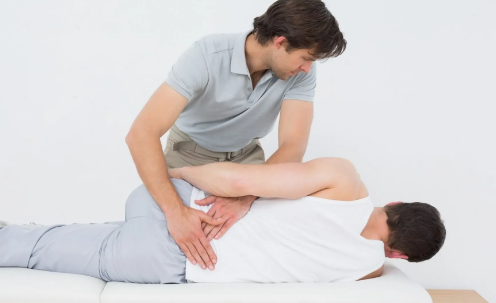
Many people automatically think surgery is the only answer for serious back pain, but that’s often not the case. There are plenty of effective non-surgical treatments available that can provide significant relief. Massage therapy and spinal decompression, as we’ve discussed, are great examples. Chiropractic care, physical therapy, and specific exercises can also make a big difference.
These methods focus on addressing the root cause of the pain without the risks and downtime associated with surgery. They aim to restore function, reduce inflammation, and improve your body’s natural healing abilities. Exploring these options first can lead to a more sustainable recovery and better long-term spinal health.
Advanced Techniques Supporting Spinal Health
Beyond the basics of massage and decompression, there are some really interesting technologies and methods out there that help pinpoint and fix spinal issues. Think of it like having a super-detailed map of your spine to find exactly where the problem lies. At places like The Spine Center, they’re using some pretty neat tools to get to the root of back pain.
The ProAdjuster for Precise Spinal Analysis
This is a cool piece of tech that uses computerized analysis to look at your spine. It doesn’t just guess; it actually measures the motion in your spinal joints. If a joint isn’t moving right, the ProAdjuster can deliver a gentle, precise adjustment to help get it moving again. It’s used for all sorts of areas, from your lower back and neck to your mid-back and even shoulders. It’s all about getting things moving properly to reduce pain and improve how your body works.
Mechanical Diagnosis and Therapy (MDT)
This approach, also known as the McKenzie Method, is a bit different. It’s less about fancy machines and more about understanding your body and teaching you how to help yourself. It involves a thorough assessment to figure out what’s going on with your spine or other joints. Then, you get educated on specific exercises and movements you can do to manage your pain and improve function. It really puts you in the driver’s seat of your recovery.
Here’s what MDT often focuses on:
- Identifying the specific directional preference for movement.
- Teaching patients self-treatment exercises.
- Educating patients on posture and movement habits.
- Determining if other medical care is needed.
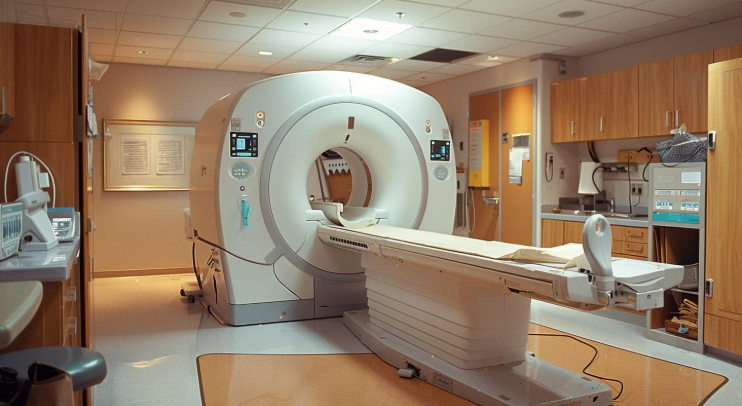
MDT is a system that helps figure out what’s causing your pain and then gives you the tools to manage it. It’s about empowering you to take control of your own spinal health, often without needing expensive tests like MRIs.
Other Therapeutic Modalities
There are other advanced treatments that can really help with back pain. Things like therapeutic ultrasound can be used for soft tissue injuries to ease muscle pain. Cold laser therapy is another non-invasive option that uses light to help reduce inflammation and promote healing. Shockwave therapy is also used for chronic pain and soft tissue issues, using pressure waves to encourage the body’s natural healing processes. These methods, when used alongside other therapies, can offer a more complete path to feeling better.
Frequently Asked Questions
How does massage therapy help with back pain?
Massage therapy works wonders for back pain by easing tight muscles and reducing stress. When your muscles are tense, they can pull on your spine and cause discomfort. Massage helps them relax, which can make a big difference. It also gets your blood flowing better, helping to heal sore spots and bring relief.
What is spinal decompression therapy and how does it work?
Spinal decompression is like gently stretching your spine. It uses a special table to carefully pull apart the bones in your back. This creates more space between them, which can take pressure off the nerves that might be causing pain, especially if you have issues like sciatica.
Can massage and spinal decompression be used together?
Absolutely! Using both massage and spinal decompression together can be really effective. Massage helps relax your muscles, making the decompression therapy work even better. It’s like a one-two punch for tackling back pain and helping your spine get back to normal.
When should I see a doctor for my back pain?
If your back pain doesn’t get better after a week or two, or if it’s really severe, it’s a good idea to see a doctor. Also, if you have pain that spreads down your leg, or if you notice numbness or weakness, you should seek professional help right away. Don’t wait too long to get it checked out.
What is the ProAdjuster and how is it used for back pain?
The ProAdjuster is a high-tech tool that helps chiropractors figure out exactly where your spine might be out of line. It uses gentle computerized pulses to analyze and adjust your joints. This can help correct small problems that might be causing your back pain and improve how your spine moves.
What is Mechanical Diagnosis and Therapy (MDT)?
Mechanical Diagnosis and Therapy, or MDT, is a way of looking at back pain that involves you actively participating in your treatment. It focuses on understanding how your body moves and using specific exercises and movements to help you manage and fix your pain. It’s about empowering you to take control of your recovery.