Skills Every Arborist Should Have

Residential property owners hire arborists for services like tree fertilization, removal, injections, and trimming. They also control insects and diseases in yards and trees. A professional arborist can help preserve the health of trees and shrubs in your lawn while keeping them looking healthy. Here are some of the skills arborists should have for better performance when you hire them:
Risk Assessment and Safety Awareness
Arborist work requires specialized skills and strict adherence to safety practices, as it often involves working near power lines, operating at heights, and mitigating the risk of falling branches. An arborist with risk assessment skills proactively identifies and avoid unpredictable weather conditions, weak trees, and other potential hazards. Risk assessment and safety awareness enable arborists to implement the proper measures, like inspecting gear properly and following various safety protocols.
Safety awareness involves creating a transparent and secure zone where a tree can fall without causing obstruction, damage, or injury. Risk assessment helps an arborist identify pests, environmental stress, and other issues that may be harming your trees. This enables them to adopt effective measures, such as shielding the trees, pruning, and tree bracing. These measures can help prevent further damage and failure by supporting your trees’ weak branches and enhancing their resilience.
Tree Knowledge and Management
Knowledge of tree biology involves understanding their growth patterns, species, functions, vulnerabilities, and nutritional needs. This skill enables arborists to conduct accurate diagnoses of diseases. They then tailor care based on the specific dietary needs of each tree. Proper diagnoses, treatment, and care help improve the overall health of your trees and reduce the chances that they will need removal. An arborist who has a better understanding of tree and plant biology can easily assess aspects such as transpiration processes and photosynthesis efficiency. Accurate assessment of these conditions enables tree specialists to make the right decisions about your lawn’s irrigation and fertilization.
Pest and Disease Management
Pest and disease management involves identifying and addressing symptoms of issues such as fungal infections and insect damage. Some symptoms of tree diseases or pests that an arborist may identify early include prematurely falling leaves, leaf discoloration, dying branches, and cottony patches. A professional arborist utilizes cultural controls, chemical treatments, and other integrated pest management strategies to help safeguard the health of your trees. These methods work by preventing insects and diseases from spreading beyond a single tree and damaging your lawn.
See also: Why Sustainable Dining Chairs are Must-Have in Home Decor?
Climbing and Rigging
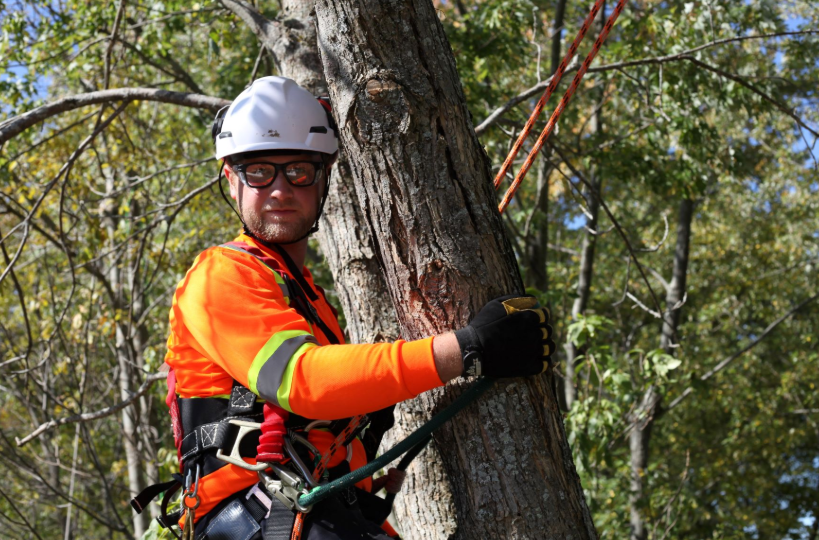
A tree specialist with these skills safely utilizes harnesses, carabiners, and ropes to navigate risky tree structures. Specialists with proper climbing skills can access various parts of a tree easily and prune or trim with greater accuracy. Rigging skills also enable these professionals to safely lower tree sections or heavy branches. A professional with these skills may save you from possible liability, as they help minimize the risk of accidents and injuries.
Hire Professional Arborists
Professional arborists help minimize the risk of work-related accidents. These may cause property damage and injuries if not done by a professional. Pruning, climbing, and equipment operation are other skills an arborist needs for efficiency and safety. Contact a professional and trustworthy arborist today for quality shrub or tree care.