Spinal Decompression Therapy: What It Is and Who Can Benefit

Dealing with constant back or neck pain can really throw a wrench in your day-to-day life. It makes simple things feel like a huge effort, right? If you’ve tried a few things without much luck, you might be wondering what else is out there. Spinal decompression therapy has popped up as a treatment that many people find helpful for all sorts of spinal issues. It’s a non-surgical way to gently stretch your spine, aiming to ease pressure on discs and nerves. Let’s break down what spinal decompression therapy is all about and who might find it beneficial.
Key Takeaways
- Spinal decompression therapy uses a special table to gently stretch the spine, reducing pressure on discs and nerves.
- It can significantly reduce pain and improve mobility for conditions like herniated discs, sciatica, and spinal stenosis.
- This treatment is non-invasive and generally safe, offering an alternative to surgery with minimal recovery time.
- The therapy promotes natural healing by encouraging fluid circulation and nutrient delivery to the discs.
- A thorough medical evaluation is important to determine if spinal decompression therapy is the right fit for your specific condition.
Understanding Spinal Decompression Therapy
What Spinal Decompression Therapy Entails
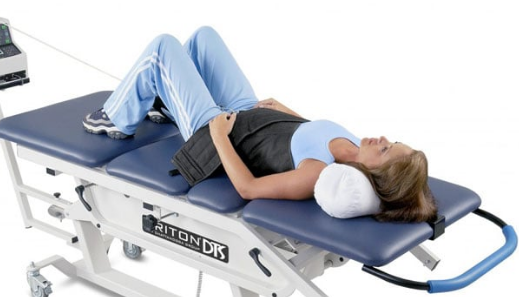
Spinal decompression therapy is a modern approach to tackling back and neck pain, especially when it comes to issues with your spinal discs. Think of it as a gentle, controlled way to create more space within your spine. It uses a special table that carefully stretches and then releases your spine in a very specific way. This controlled stretching helps to reduce pressure on your spinal discs and nerves. For those in the Las Vegas area looking for effective treatment, spinal decompression therapy is a key service offered at places like Canyon Lake Chiropractic and Physical Therapy.
How Spinal Decompression Differs from Traction
While both spinal decompression and traditional traction involve stretching the spine, they aren’t quite the same. Traditional traction often applies a steady, consistent pull along a section of the spine. This can sometimes require a lot of force and might even lead to muscle spasms or discomfort for some people. Spinal decompression, on the other hand, is much more precise. It uses advanced technology to create a targeted, gentle, and fluctuating pull. This means it can focus on specific areas of your spine, often with less force, making it a more comfortable and effective option for many.
The Role of Technology in Spinal Decompression
Technology plays a big part in making spinal decompression therapy so effective. The specialized tables used are computer-controlled. This allows practitioners to precisely adjust the amount of stretch, the angle, and the duration for each individual patient. This level of control is what allows the therapy to target specific spinal segments and create negative pressure within the discs. This technology is what helps to draw fluid and nutrients back into the discs, aiding in the healing process and reducing pain. It’s a far cry from older, less precise methods and is a significant part of why physical therapy in Las Vegas has advanced so much.
Key Benefits of Spinal Decompression Therapy
So, you’re dealing with some nagging back or neck pain, and maybe you’ve heard about spinal decompression. It sounds pretty technical, but the idea behind it is actually quite straightforward: to gently relieve pressure on your spine. And honestly, the benefits can be pretty significant for a lot of people. It’s not just about feeling a bit better for a little while; it’s about addressing the root of the problem and getting you back to moving more freely.
Significant Pain Reduction
This is usually the big one, right? Many folks who try spinal decompression therapy report a noticeable drop in their pain levels after going through a course of treatment. It works by creating a bit of space between your vertebrae, which can help reduce the pressure on those sensitive nerves that are often causing all the trouble. Think of it like giving your spine a little breathing room. This decompression can directly alleviate the sharp, shooting pain, numbness, or tingling that often comes with pinched nerves.
Enhanced Mobility and Flexibility
When your spine is under pressure, it can really limit how you move. You might feel stiff, sore, and just generally restricted. By taking that pressure off, spinal decompression can help you regain some of that lost movement. People often find they can bend, twist, and reach with less discomfort. It’s not about becoming a contortionist overnight, but about getting back to doing everyday things without that constant feeling of being locked up.
Non-Invasive and Safe Treatment
One of the most appealing aspects of spinal decompression is that it’s a non-surgical option. This means no scalpels, no stitches, and generally, a much lower risk profile compared to surgery. While any treatment has potential side effects, they are typically mild and temporary with spinal decompression, like a bit of soreness or muscle spasms right after a session. It’s a way to tackle spinal issues without the significant risks and recovery associated with going under the knife.
Minimal Recovery Time
Because it’s non-invasive, you usually don’t have to put your life on hold to recover from spinal decompression. Most people can get right back to their normal daily activities after a treatment session. There’s no lengthy hospital stay or weeks of bed rest. This makes it a really practical choice for people who can’t afford to take a lot of time off work or away from their families.
The goal is to create a gentle, controlled stretch that encourages the spine to lengthen. This process can help to pull bulging or herniated discs back into their proper place and reduce pressure on nerves. It also helps to improve circulation within the discs, bringing in vital nutrients and water that aid in the healing process and can reduce inflammation over time.
Conditions Addressed by Spinal Decompression
Bulging or Herniated Discs
This is probably the most common reason people look into spinal decompression. When the soft, gel-like center of a spinal disc pushes out through a tear in its tougher exterior, it’s called a herniated or bulging disc. This can press on nearby nerves, causing a whole lot of pain. Spinal decompression works by gently stretching the spine. This creates a bit of negative pressure inside the disc, which can help pull the bulging material back towards the center. It’s like giving the disc a little space to settle back into place. This process can significantly reduce the pressure on the nerves, leading to less pain and discomfort.
Sciatica and Pinched Nerves
Sciatica is that nasty pain that shoots down your leg, usually caused by pressure on the sciatic nerve. Often, this pressure comes from a herniated disc or spinal stenosis. Similarly, a pinched nerve anywhere in the spine can cause pain, numbness, or tingling in your arms or legs. Spinal decompression therapy aims to relieve this pressure. By creating space between the vertebrae, it can decompress the nerve root that’s being irritated. Think of it as giving the nerve room to breathe again.
Degenerative Disc Disease
As we age, our spinal discs can lose hydration and start to break down. This is called degenerative disc disease. The discs become flatter, less flexible, and can’t absorb shock as well. This can lead to pain and stiffness. Spinal decompression can help by encouraging the flow of nutrients and fluids back into the discs. This rehydration can make the discs healthier, more flexible, and better able to do their job of cushioning the spine. It’s about trying to restore some of the disc’s natural function.
Spinal Stenosis
Spinal stenosis is a narrowing of the space within the spinal canal, which can put pressure on the spinal cord and nerves. This often happens due to age-related changes like bone spurs or thickened ligaments. Spinal decompression therapy can help by gently widening the spaces between the vertebrae. This increased space can reduce the pressure on the spinal cord and nerves, alleviating symptoms like pain, numbness, and weakness. It’s a way to create more room in a tight space.
It’s important to remember that spinal decompression isn’t a magic bullet for every back problem. It works best for specific issues related to disc problems and nerve compression. A good evaluation by a healthcare professional is key to figuring out if it’s the right approach for you.
Who Can Benefit from Spinal Decompression?
So, who exactly is a good candidate for spinal decompression therapy? It’s not a one-size-fits-all kind of treatment, but it really shines for certain folks dealing with persistent back and neck issues. If you’ve been told surgery is your only option, or if you’re just tired of living with pain that just won’t quit, this might be something to look into.
Individuals with Chronic Back and Neck Pain
If you’re living with pain that’s been hanging around for months, or even years, and it’s really impacting your daily life, spinal decompression could offer some much-needed relief. This therapy is designed to target the source of the pain, not just cover it up. It works by gently stretching the spine, which can take pressure off those sensitive nerves and discs that are causing all the trouble. Many people find that after a series of treatments, they can move more freely and experience a significant drop in their pain levels. It’s about getting you back to doing the things you love without that constant ache.
Patients Seeking Alternatives to Surgery
Let’s be honest, surgery can be a big deal. There’s the recovery time, the potential risks, and the general anxiety that comes with it. For many people dealing with conditions like herniated discs or spinal stenosis, spinal decompression offers a way to find relief without going under the knife. It’s a non-invasive approach that aims to achieve similar results by decompressing the spine. Think of it as a way to give your spine the space it needs to heal naturally, potentially helping you avoid a more drastic medical procedure altogether.
Those Experiencing Radiating Nerve Pain
Radiating pain, like sciatica, is a real pain in the… well, you know. It’s that shooting, burning, or tingling sensation that travels down your leg or arm, often caused by a pinched nerve in the spine. Spinal decompression therapy is particularly effective at addressing this type of pain. By creating negative pressure within the spinal discs, it can help to gently retract bulging or herniated discs that are pressing on the nerves. This reduction in pressure can stop that uncomfortable radiating sensation and help restore normal nerve function. It’s a targeted approach for a very specific and often debilitating type of pain.
Considerations Before Undergoing Therapy
While spinal decompression therapy sounds like a great option for many dealing with back and neck pain, it’s not a one-size-fits-all kind of treatment. It’s really important to chat with your doctor and make sure it’s the right move for you. Some folks just aren’t good candidates, and knowing that upfront can save you time and hassle.
When Spinal Decompression May Not Be Suitable
There are definitely situations where this therapy might not be the best choice. If you’ve had certain types of back surgery, especially if you have implants like screws or rods, it could complicate things. Also, conditions like fractured vertebrae, active infections, or even certain types of tumors in the spine mean this treatment is off the table. It’s all about making sure the therapy won’t make things worse or cause new problems.
- History of spinal fractures
- Presence of spinal tumors or infections
- Severe osteoporosis
- Spinal implants or hardware
- Pregnancy
Potential Side Effects and Minimizing Risks
Most people tolerate spinal decompression pretty well, but like any treatment, there’s a small chance of experiencing some side effects. You might feel a bit more sore than usual after a session, or maybe some temporary muscle spasms. Some people report a bit of tingling. The good news is that these are usually mild and don’t last long. Communicating openly with your healthcare provider about your medical history is the best way to minimize any potential risks. They can adjust the treatment plan based on your specific situation.
Importance of a Thorough Medical Evaluation
Before you even get on the decompression machine, a proper evaluation is a must. This usually involves a review of your medical history, a physical exam, and often some imaging tests. Things like X-rays, MRIs, or even bone scans can give your doctor a clear picture of what’s going on with your spine. This helps them figure out if your pain is actually coming from a disc issue that decompression can help, or if something else is going on. It’s about getting a precise diagnosis so the right treatment can be recommended.
It’s easy to get excited about a new treatment, especially when you’re in pain. But taking the time for a full medical workup is non-negotiable. This isn’t just about checking boxes; it’s about ensuring the therapy you choose is safe and effective for your unique body and condition. Skipping this step could lead to unexpected complications or simply a treatment that doesn’t work for you.
The Healing Process with Spinal Decompression
Spinal decompression therapy isn’t just about immediate relief; it’s designed to kickstart your body’s natural repair mechanisms. Think of it as giving your spine the ideal environment to heal itself. By gently stretching the spine, the therapy creates a bit of negative pressure. This helps to pull in vital fluids, oxygen, and nutrients that are super important for disc health and repair.
Promoting Natural Healing Mechanisms
This therapy works by creating a space for your body to do what it does best: heal. When discs are compressed, they can’t get the nourishment they need. Decompression reverses this, allowing the discs to rehydrate and become healthier. This process encourages the body to mend damaged tissues and reduce inflammation, setting the stage for long-term spinal wellness. It’s a gentle nudge in the right direction for your spine’s own recovery system.
Encouraging Fluid Circulation in the Spine
One of the key ways decompression helps is by improving the flow of fluids around your spinal discs. Imagine your discs like little sponges; they need fluid to stay plump and healthy. When they get squished, that fluid gets squeezed out, and they can’t absorb new nutrients. Decompression gently separates the vertebrae, allowing for better circulation.
Here’s what happens:
- Negative Pressure: Creates a vacuum effect that draws nutrient-rich fluid into the disc.
- Nutrient Delivery: Oxygen and water can then reach the inner parts of the disc.
- Waste Removal: Helps to flush out waste products that can contribute to inflammation.
This improved circulation is vital for repairing damage and maintaining the flexibility and shock-absorbing qualities of your discs.
Reducing Inflammation and Supporting Disc Health
Inflammation is often a big part of back pain. When discs are damaged or bulging, they can irritate surrounding tissues, leading to swelling and more pain. Spinal decompression helps by reducing the pressure on these irritated areas. Less pressure means less irritation, which in turn leads to less inflammation.
By decreasing the load on the spinal structures, the therapy allows inflamed tissues to calm down. This reduction in inflammation, combined with the improved nutrient supply, helps to restore the discs to a healthier state. It’s a cycle where each positive step supports the next, leading to a stronger, more resilient spine over time.
Ultimately, the goal is to get your discs back to their optimal function, reducing pain and preventing future problems. It’s a methodical approach to healing that focuses on creating the best conditions for your spine to recover.
Frequently Asked Questions
What exactly is spinal decompression therapy?
Spinal decompression therapy is a way to gently stretch your spine. It uses a special table that pulls and releases your spine in a controlled way. The main goal is to take pressure off the discs between your vertebrae and the nerves in your spine. This can help relieve pain and encourage healing.
How is this different from regular traction?
Think of regular traction as a steady pull along your spine. Spinal decompression is more precise. It uses computer technology to adjust the pull and angle, targeting specific areas. This means it can use less force, be more comfortable, and often work better for certain problems without causing muscle spasms.
What kind of back or neck problems can it help with?
It’s often used for issues like bulging or herniated discs, which is when the soft cushion between your bones pushes out. It can also help with sciatica (pain that shoots down your leg), pinched nerves, and spinal stenosis (a narrowing of the space around your spinal cord).
Who should consider this therapy?
If you have ongoing back or neck pain that’s really bothering you, this might be an option. It’s also good for people who want to try something that isn’t surgery or strong medications. If you have pain that travels down your legs or arms, it could be helpful.
Are there any risks or side effects?
Spinal decompression is generally very safe, especially compared to surgery. Most people don’t have serious side effects. You might feel a little sore or have mild muscle spasms for a short time, but these usually go away quickly. It’s important to tell your doctor about your full health history.
How does it help my spine heal?
By reducing pressure, it helps the discs get more fluid and nutrients, which is like giving them a chance to repair themselves. It also helps improve blood flow to the area, which can lower swelling and make your spine feel better. This process supports your body’s natural healing abilities.