Sustainable Approaches to Long-Term Weight Management

Achieving a healthy weight and keeping it off is a journey that requires more than short-term diets or quick fixes. Focused on making gradual, evidence-based adjustments, individuals can foster habits that support lasting weight control and well-being. If you are looking for personalized guidance, a professional weight loss center can help tailor strategies to your unique needs.
Instead of relying on fad diets, the key to sustainable success is a shift toward overall healthy patterns and behaviors. This article will guide you through proven strategies for long-term weight management, helping you avoid the yo-yo effect of weight cycling and promoting overall health as a primary goal.
Focus on Dietary Patterns, Not Single Foods
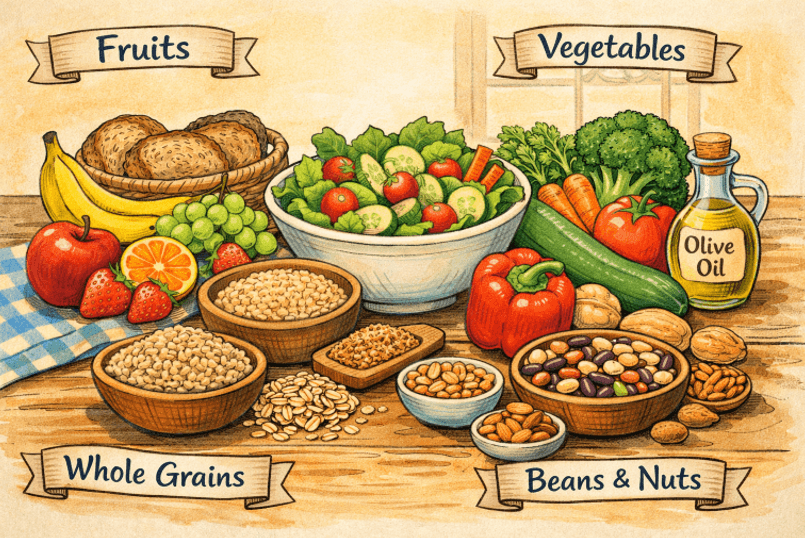
Successful long-term weight management starts with adopting a balanced eating pattern, not just restricting certain foods. Research consistently shows that dietary patterns such as the Mediterranean diet are linked with improved metabolic health and lower body weight over time. This pattern promotes regular consumption of vegetables, fruits, whole grains, beans, and healthy fats, especially olive oil, and limits red and processed meats. Shifting the focus from “good” and “bad” foods to an overall healthy dietary approach helps reduce guilt and makes these changes sustainable.
Adopting a flexible eating pattern also accommodates individual preferences, cultural needs, and seasonal availability of foods, which further boosts long-term adherence. Don’t be afraid to experiment with new recipes, cuisines, or cooking techniques. Trying various food combinations and exploring plant-forward dishes can make healthy eating more enjoyable and prevent diet fatigue. Remember, small sustainable adjustments, like opting for whole grains over refined ones, or adding an extra serving of vegetables, add up to meaningful change over time. Journaling your meals or snapping photos of your plates can help you stay mindful about your eating choices as you build new dietary habits.
Balance Energy Intake with Energy Needs
Understanding how the calories you eat compare with the energy your body needs is central to weight maintenance. Rather than adopting drastic calorie cuts, which often backfire, aim for a gentle calorie deficit through mindful eating and paying attention to hunger cues. Learning about food energy density and reading food labels allows you to make more informed decisions. Techniques like pausing midway through meals and eating without distractions foster a natural awareness of fullness, which supports healthier eating habits and discourages compulsive overeating.
It’s also helpful to be aware of life events and stressors that may disrupt your normal eating patterns. Emotional eating, inconsistent meal timings, or skipping meals altogether can all have long-term impacts on metabolism and hunger regulation. Establishing regular meal routines and practicing portion awareness empowers you to manage energy intake consistently, even when life gets busy or stressful. Tracking intake on an app, planning meals, and pre-portioning snacks are all strategies that support a balanced approach to energy management.
Prioritize Protein, Fiber, and Plant Diversity
Long-term satiety and metabolic health are closely linked to the nutrients in your meals. Protein, found in foods such as chicken, fish, legumes, tofu, eggs, and dairy, helps you feel fuller for longer and preserves lean muscle as you lose weight. Meanwhile, high-fiber choices like vegetables, berries, lentils, and whole grains slow digestion and promote fullness, making it easier to adhere to reasonable portion sizes. Consuming a wide variety of plant-based foods introduces diverse fibers and polyphenols, supporting a healthy gut microbiome. This gut diversity is associated with better metabolic health and weight regulation.
Adding nuts, seeds, and beans to everyday dishes can significantly boost both protein and fiber content, leading to improved satisfaction after meals and more stable blood sugar levels throughout the day. Building meals around a variety of seasonal produce exposes your microbiome to a broader range of beneficial bacteria, while also adding interesting flavors and textures to your plate. Remember, small tweaks, like snacking on roasted chickpeas or chia pudding, or tossing spinach into a smoothie, can have cumulative effects on your gut and metabolic health over time.
Incorporate Regular Physical Activity
Physical activity is an essential piece of sustained weight management. Activities do not need to be extreme to be effective. Seek out movement you genuinely enjoy, whether it is walking, biking, swimming, or playing a sport. Strive for a mix of aerobic exercise, which burns calories and enhances cardiovascular health, and strength training, which helps maintain muscle mass as you lose weight. Building daily movement into your routine, even in small increments, significantly increases your chances of long-term success.
Finding creative ways to stay active can also keep you motivated. Try setting reminders to stretch during the workday, taking the stairs instead of the elevator, or engaging friends and family in outdoor excursions. Consistency over time is more important than intensity; even short bursts of activity throughout the day can support cardiovascular health, enhance mood, and maintain body composition. Monitoring your progress with a fitness tracker or activity log may help reinforce positive habits and provide a sense of accomplishment as your endurance and strength improve.
See also: Understanding Compassionate Mental Health Care in California
Set Realistic, Behavior-Focused Goals
Instead of setting vague or overly ambitious targets, break your long-term vision into specific, actionable steps. For instance, set a goal to prepare a home-cooked meal three times this week or take a walk after dinner on weeknights. Tracking your progress on process-based goals builds consistency and confidence over time. Reframing your perspective so the focus is on healthful routines, rather than a specific number on the scale, makes the journey more rewarding and less stressful. See these practical goal-setting strategies in the context of weight management from Mayo Clinic.
Successful goal-setting also involves learning from setbacks and being kind to yourself along the way. If a goal isn’t working, reflect and adjust rather than considering it a failure. Celebrate non-scale victories, such as having more energy, feeling stronger, or establishing a regular sleep routine. By prioritizing progress over perfection, you’ll gradually build a set of habits that feel natural and aligned with your long-term vision of health.
Seek Professional Support When Needed
If you face persistent plateaus, struggles, or underlying medical issues, professional support can help you break through barriers. Registered dietitians and healthcare providers offer personalized advice, medical assessments, and, in some cases, medications that support your weight management efforts. Combining medical expertise with consistent lifestyle changes increases the likelihood of sustainable, positive outcomes.
Paying attention to your unique needs, building new habits step by step, and seeking help when needed can help you achieve a healthy weight that lasts. Through careful attention to eating patterns, activity, and self-kindness, lasting health and well-being are within reach.