The Science Behind PDO Threads and Their Impact on Facial Contouring

Facial contouring refers to procedures that alter the structural appearance of the face. These techniques can enhance features like cheekbones, jawlines, and the chin, creating more defined or balanced facial proportions. While surgical options exist, non-surgical methods have gained attention for their ability to provide subtle enhancements. One such method involves the use of absorbable sutures, called PDO threads, which help redefine facial contours without invasive surgery. Here’s more information on absorbable threads for facial contouring treatments:
What Are Polydioxanone Threads?
Polydioxanone (PDO) threads are biocompatible sutures made from a complex polymer. This material has been used in various medical applications for decades, including in cardiothoracic surgery, because the body can fully absorb it over time. In aesthetic procedures, these threads are introduced into the subcutaneous layer of the skin to provide a temporary supportive structure.
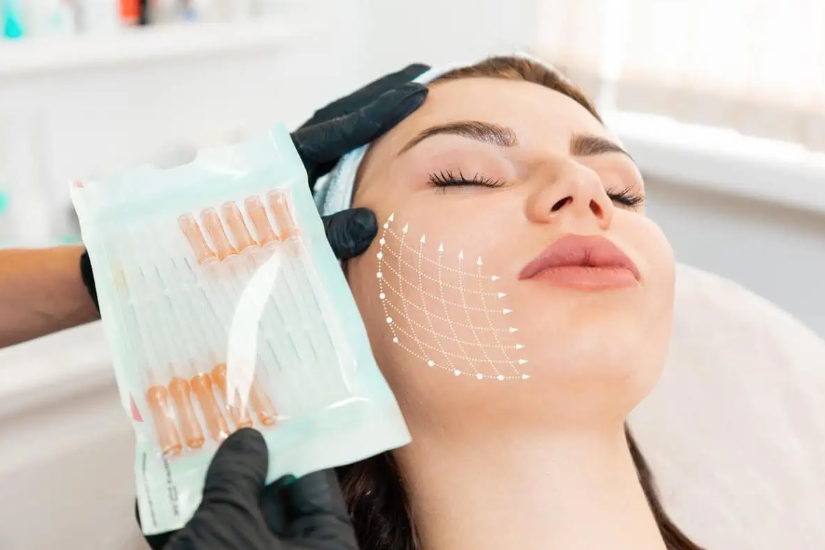
PDO threads are placed in specific areas of the face to lift and tighten the skin. The polydioxanone material dissolves naturally over time, and the body gradually breaks it down. This process helps to support the skin’s structure from within by triggering a healing response that stimulates collagen production over 12-15 months. Some benefits of absorbable threads in facial contouring procedures include:
- Non-surgical Facial Enhancement
- Versatile Contouring Options
- Body-safe Polymer Materials
- Single Session Treatments
How Do Other Threads Differ?
PDO threads are one of several types of threads used for aesthetic purposes. Other options include PLCL (L-lactide-co-ε-caprolactone) threads that use additional materials like polylactic acid (PLA) and polycaprolactone (PCA). Each material has a distinct composition and longevity. PLCL threads also dissolve, but they last longer than PDO threads, and they degrade at a slower rate. The way PLCL threads are designed allows them to reposition sagging facial areas while promoting the creation of collagen and elastin in the skin. These threads are stronger and are ideally used for the body or the face to add lift, support, and definition.
See also: Lucy Payton @ HealthSciencesForum: Transforming Health Education for Everyone
Why Should You Choose PDO Threads?
PDO threads offer a unique combination of characteristics that make them a popular choice for facial contouring. Their composition has a long history of safe use in medical procedures, which provides a level of reassurance for both practitioners and patients. The absorbable nature of these threads means they provide temporary support without leaving any permanent material in the body. PDO threads come in various textures and shapes, including:
- Spring
- Mesh
- Broom
- Braid
These options allow for customized treatments for individual facial anatomy. Smoother threads may improve skin texture, while barbed or spring threads provide a greater lifting effect. This versatility enables practitioners to address a wide range of aesthetic concerns, from minor textural improvements to more significant contouring. The procedure is straightforward, and the material’s biocompatibility minimizes the risk of adverse reactions.
Learn More About Facial Contouring
Polydioxanone threads are a non-surgical facial contouring option, offering a method to enhance facial structure with absorbable materials. They provide a versatile option for those seeking to redefine features like their jawline or cheeks. Understanding the science behind these threads can help you make informed decisions about your aesthetic care. To explore your options further, contact a cosmetic dermatologist for personalized advice.