How Modern Assistive Tools Are Transforming Mobility, Communication, and Independence

Advances in modern support tools are reshaping what independence looks like for people with physical and neurological disabilities. Innovations that once seemed out of reach are now becoming everyday solutions, empowering individuals to move more freely, communicate more effectively, and participate more fully in daily life. In particular, assistive technology for cerebral palsy has played a key role in demonstrating how thoughtful design and digital innovation can remove long-standing barriers and open new possibilities for independence.
Transforming Mobility Through Innovation
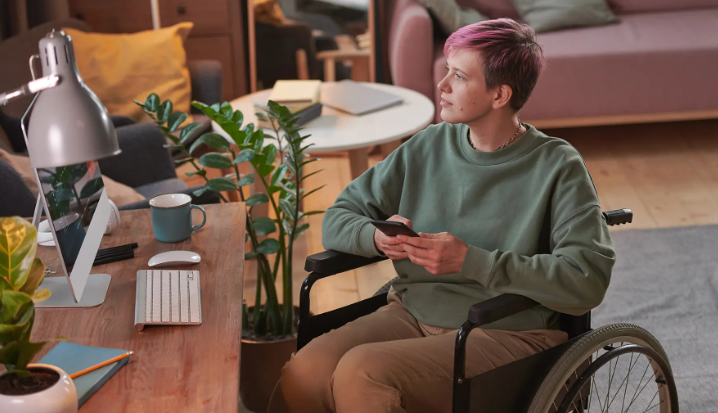
Mobility is often the foundation of independence, and modern tools are making movement safer, more efficient, and more personalised than ever before. Smart wheelchairs, powered exoskeletons, and adaptive walking aids are now designed with sensors and customizable settings that respond to the user’s body and environment. These tools reduce physical strain and increase confidence, allowing users to navigate their surroundings with greater ease.
For individuals with movement-related challenges, assistive technology for cerebral palsy has contributed to major improvements in posture support, balance control, and gait assistance. Devices are no longer one-size-fits-all; instead, they adapt to changing physical needs over time. This adaptability helps users maintain mobility for longer periods, supporting long-term independence rather than short-term fixes.
Enhancing Communication and Self-Expression
Communication is another area where modern tools are making a profound difference. Speech-generating devices, eye-tracking systems, and app-based communication platforms allow individuals to express thoughts, needs, and emotions more clearly. These tools are especially important for people who experience speech or motor limitations that make traditional communication difficult.
Through assistive technology for cerebral palsy, many users are gaining access to communication methods that match their abilities rather than limiting them. Customizable interfaces, symbol-based systems, and predictive text features reduce frustration and encourage active participation in conversations. Improved communication strengthens relationships, supports education, and enhances self-advocacy, all of which are essential elements of independence.
Supporting Independence in Daily Living
Beyond mobility and communication, assistive tools are transforming everyday tasks. Smart home technology, adaptive utensils, and voice-controlled systems enable users to manage personal care, household activities, and schedules with less reliance on others. These tools are designed to integrate seamlessly into daily routines, reducing the feeling of being assisted and increasing the feeling of control.
In this context, assistive technology for cerebral palsy often focuses on simplifying complex tasks into manageable steps. From automated reminders to adaptive switches, these tools allow individuals to make choices and take action independently. This sense of agency has a powerful impact on confidence and overall well-being.
See also: The Intersection of Dermatology and Skin Health in Everyday Life
The Role of Personalisation and User-Centered Design
One of the most significant shifts in modern assistive tools is the emphasis on personalisation. Designers now work closely with users, therapists, and caregivers to ensure tools fit real-life needs. Adjustability, modular components, and software updates allow devices to evolve alongside the user.
This approach is clearly reflected in assistive technology for cerebral palsy, where individual needs can vary widely. Personalised solutions acknowledge that independence looks different for everyone. By focusing on flexibility rather than rigid functionality, modern tools support long-term use and meaningful engagement rather than short-term accommodation.
Expanding Access to Education and Employment
Assistive tools are also transforming access to education and work opportunities. Adaptive keyboards, alternative input devices, and digital accessibility features allow individuals to learn and work more independently. Remote collaboration tools and accessible software platforms further reduce physical and logistical barriers.
Through assistive technology for cerebral palsy, students and professionals are gaining greater control over how they learn, communicate, and contribute. This not only improves practical outcomes but also challenges outdated assumptions about ability and participation. Independence in education and employment strengthens long-term self-sufficiency and social inclusion.
Emotional and Social Impact of Assistive Tools
Independence is not only physical; it is emotional and social as well. Modern assistive tools help users feel more connected and less isolated. When individuals can move, communicate, and make decisions independently, they are more likely to engage socially and build meaningful relationships.
The confidence gained through assistive technology for cerebral palsy often extends beyond the immediate function of the tool. Users report increased self-esteem and a stronger sense of identity when they can interact with the world on their own terms. This emotional impact is just as important as the physical benefits.
Looking Ahead: A Future of Greater Independence
As technology continues to advance, assistive tools will become even more intuitive, accessible, and affordable. Artificial intelligence, wearable sensors, and integrated digital systems are expected to further enhance user experience and independence. The lessons learned from assistive technology for cerebral palsy are influencing broader innovation, showing how inclusive design benefits everyone.
Ultimately, modern assistive tools are not about replacing human support but about empowering individuals to live with greater autonomy and choice. By transforming mobility, communication, and daily living, these technologies are redefining what independence means in the modern world and ensuring that more people can participate fully and confidently in everyday life.