Effective Strategies for Minimizing Pain and Promoting Healing After Wisdom Tooth Removal

Having a wisdom tooth extracted is a common experience for many adults, yet it often raises concerns about recovery and managing post-surgical discomfort. Implementing proven techniques can make a substantial difference in how quickly you recover and how much pain you experience. Understanding what to expect, including the worst day of pain after wisdom tooth extraction, helps prepare you for the crucial early days of healing. Proper planning and aftercare not only ease discomfort but can also help prevent complications such as infection or dry socket. These strategies begin the moment extraction is complete and continue throughout the entire healing phase. Paying close attention to pain management, oral hygiene, and activity level enables you to return to your routine more quickly and with fewer setbacks. Additionally, getting clear guidance from your dentist ensures any unique factors related to your health are taken into account. Remember that every patient’s experience will differ slightly depending on the complexity of the procedure and individual healing response. For comprehensive advice and support throughout your recovery journey, turn to resources like Advanced Smiles Marion, which offer guidance tailored to your situation.
Prioritize Rest and Limit Physical Activity
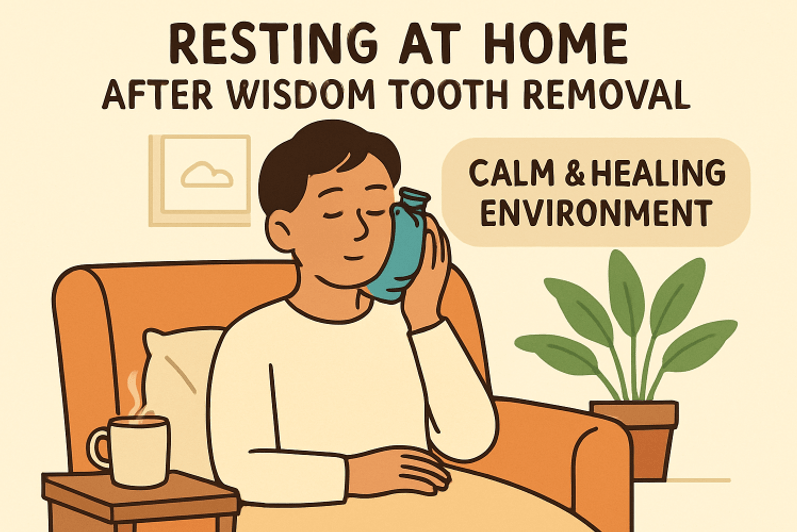
Rest is one of the most important components of recovery following wisdom tooth extraction. Limiting physical activity for 3 to 5 days helps prevent increased bleeding and swelling by minimizing fluctuations in blood pressure. Activities such as heavy lifting, bending, or even vigorous housework can dislodge the clot that forms at the extraction site, which is essential for healing. Keeping your head elevated when lying down, including using extra pillows at night, can further help decrease swelling. Plan to ensure you have everything you need within reach, reducing your need to move around and disrupt the healing process.
Apply Cold Compresses to Reduce Swelling
Swelling is a natural response to oral surgery and is most pronounced in the initial 24-48 hours. Using an ice pack with a cloth barrier, apply to the affected cheek in 15-minute intervals, with 15 minutes off between each round. This routine helps restrict blood flow to the area, numbing it and limiting the inflammatory response. Avoid direct skin contact with the ice to prevent damage or irritation.
Manage Pain with Medications
Most patients can effectively control pain with over-the-counter medications such as ibuprofen or acetaminophen. These medications address both discomfort and inflammation. It is vital to follow medical advice for dosages and scheduling, as exceeding recommended amounts can be harmful. In some cases, your dentist may prescribe a stronger pain reliever or antibiotics if there is an infection risk. Always check with your provider before mixing any medications or supplements.
Maintain Gentle Oral Hygiene
Maintaining oral cleanliness lowers the risk of infection and supports healthy tissue regeneration. Begin gentle rinsing with a warm salt water solution at least 24 hours post-surgery. Avoid using commercial mouthwashes or hydrogen peroxide, as these can irritate the sensitive extraction site. Refrain from brushing the surgical area for the first few days, and if possible, use a soft-bristled toothbrush to clean the nearby teeth without disturbing the wound.
Adopt a Soft Food Diet
In the days following extraction, stick to soft, cool, and nutritious foods that require minimal chewing. Foods such as yogurt, applesauce, scrambled eggs, mashed potatoes, and smoothies can contribute to nourishment without irritating or traumatizing the extraction site. Avoid hard, crunchy, or spicy items, which can lodge debris in the wound or slow healing. Returning to your regular diet too quickly may increase pain or risk dislodging the protective blood clot.
Stay Hydrated and Avoid Straws
Proper hydration supports overall healing and comfort, but drinking using a straw should be avoided for at least one week. The suction force generated by straws can dislodge the blood clot, exposing nerves and bone and causing a painful complication called dry socket. Instead, take small sips directly from a glass, and focus on water or gentle, non-acidic beverages.
Avoid Smoking and Alcohol
Both smoking and alcohol use impair healing and increase the risk of complications. Tobacco reduces blood flow and introduces toxins to the surgical site, while alcohol can interfere with blood clot formation and sensitize oral tissues. Most dental professionals recommend abstaining from both for at least 72 hours, but longer abstinence is ideal for a smooth recovery.
See also: Understanding Compassionate Mental Health Care in California
Monitor for Signs of Complications
Vigilance for warning signs can help address problems early. Contact your dentist if you experience severe or worsening pain, fever, pus, swelling that does not subside after a few days, or persistent bleeding. Early intervention can reduce the risk of serious infection or delayed healing, helping ensure that you recover quickly and comfortably. By carefully following these strategies, you can minimize pain and foster a healthy recovery after wisdom tooth extraction. Each step plays a vital role in preventing setbacks and helping you return to normal life efficiently and safely.
Conclusion
Recovering from a wisdom tooth extraction requires patience, care, and attention to detail. Prioritizing rest, applying cold compresses, managing pain with appropriate medication, and maintaining gentle oral hygiene are essential steps to support healing and minimize discomfort. Following a soft-food diet, staying hydrated, and avoiding smoking or alcohol further protect the extraction site and help prevent complications like dry socket. By monitoring for warning signs and staying in contact with your dentist when needed, you can ensure a smooth recovery, reduce pain, and return to your daily routine safely and comfortably.