Common Questions About Dental Implants

Choosing the right solution for missing teeth is a significant decision, and dental implants are increasingly becoming the preferred option due to their durability and natural appearance. If you are considering dental implants, it is natural to have several questions about what to expect throughout the process. This article provides detailed answers to some of the most common inquiries, helping you better understand how dental implants work and whether they are the right fit for your needs.
Modern dentistry offers more options than ever before, allowing patients to restore both functionality and aesthetics through advanced procedures. Dental implants represent a permanent, long-term solution for replacing lost teeth and supporting overall oral health. Understanding these benefits and weighing key considerations will help you make a more informed decision about your oral care. We will address what dental implants are, who makes a good candidate, and the various advantages they offer compared to other tooth replacement options. You will also find information about safety, cost, the procedure itself, aftercare, and longevity, so you have all the facts you need to move forward confidently.
What Are Dental Implants?
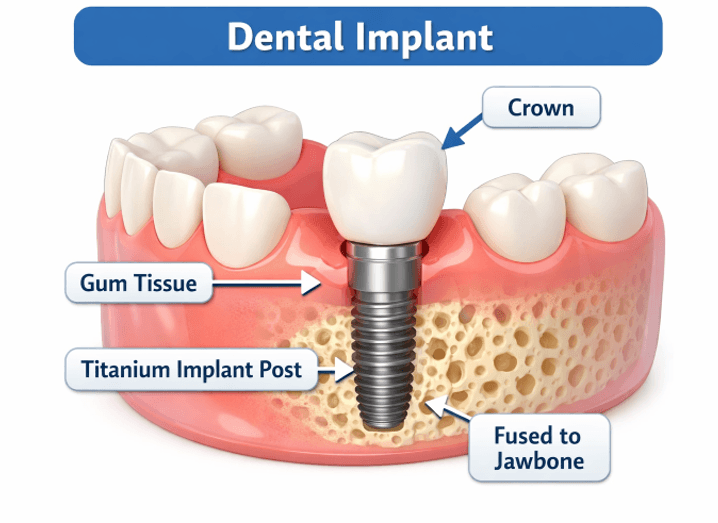
Dental implants are titanium posts surgically placed in the jawbone to serve as artificial roots for replacement teeth. Over time, these posts fuse with the bone through a process called osseointegration, creating a strong foundation for attaching prosthetic teeth such as crowns, bridges, or dentures. This integration not only ensures stability but also contributes to a natural look and feel, giving patients renewed confidence in their smile and oral function.
Who Is a Good Candidate for Dental Implants?
Most adults who have lost one or more teeth due to trauma, decay, or gum disease are possible candidates for dental implants. There are, however, several factors a dental professional will consider:
- Overall Health: Candidates should be in reasonably good health, as certain medical conditions may impact healing following surgery.
- Oral Health: Healthy gums are essential, as gum disease can increase the risk of implant failure. Sufficient bone density in the jaw is also necessary to ensure the implants’ stable placement.
- Lifestyle Choices: Non-smokers or those who are willing to quit typically have a higher rate of implant success. Smoking can hinder proper healing and increase the risk of complications.
Personalized evaluations, including dental exams and imaging, will help your provider determine your suitability for this procedure.
What Are the Advantages of Dental Implants?
Dental implants offer several notable benefits over traditional tooth replacement methods like bridges or removable dentures:
- Natural Appearance and Function: The replacement teeth attached to implants closely mimic the look and function of natural teeth, allowing for normal chewing and speaking.
- Long-Lasting Durability: When properly cared for, implants can last decades or even a lifetime, making them cost-effective over time.
- Bone Health Preservation: Implants stimulate the jawbone, which helps prevent the bone loss often associated with missing teeth.
- Improved Oral Hygiene: Unlike traditional bridges, implants do not require adjacent teeth to be altered, preserving your natural teeth.
Are Dental Implants Safe?
Dental implants have an excellent track record for safety and success, with decades of research and refinement supporting their use. Most procedures are performed without issue, and complications occur infrequently. Some risks exist, including infection, excessive bleeding, or failure of the implant to fuse properly with the jawbone, but choosing an experienced dental surgeon and following post-surgery instructions greatly reduces these risks.
How Much Do Dental Implants Cost?
The overall cost of dental implants depends on several factors, including the number of teeth being replaced, the need for additional procedures (such as bone grafts), and your provider’s geographic location. Implants generally have a higher upfront cost than bridges or dentures, but their long-term durability often results in fewer future expenses. Many dental practices offer payment plans or financing to make the investment more manageable. Always request a personalized treatment estimate based on your unique needs to understand the total cost involved.
Is the Implant Procedure Painful?
The dental implant procedure is designed to be as comfortable as possible. Local anesthesia is used during surgery to prevent patients from feeling pain. After the procedure, some mild discomfort, swelling, or bruising is typical. These symptoms usually resolve within a few days and can be managed with over-the-counter pain relief. Most patients describe post-surgical discomfort as less intense than expected, often comparing it to the sensation after a routine tooth extraction.
How Long Do Dental Implants Last?
When properly maintained, dental implants can last several decades. Their longevity depends largely on excellent oral hygiene, routine dental visits, and overall wellness. Implants are designed for permanence, but the attached crowns or dentures may eventually require replacement due to normal wear and tear. Key factors for long-term success include
- consistent brushing and flossing,
- healthy lifestyle habits, and
- regular checkups with your dental care provider.
See also: Treat Mental Health Nevada: Trusted Mental Health Care for Lasting Recovery
How Do I Care for My Dental Implants?
Caring for dental implants is similar to maintaining natural teeth. Use a soft-bristled toothbrush and non-abrasive toothpaste to clean around the implant. Daily flossing is essential to remove plaque, and tools such as interdental brushes can be helpful. It is also important to avoid damaging habits, such as chewing ice or using teeth as tools, to protect the crowns or prosthetics.
Routine dental checkups and professional cleanings are crucial for monitoring implant health and preventing gum disease. Your dental professional can provide additional advice tailored to your oral hygiene routine and answer any questions you may have about preserving your dental implants for many years to come.
For further information, you can explore the American College of Prosthodontists Dental Implants FAQ.
Conclusion
Dental implants offer a reliable, long-lasting, and natural-looking solution for replacing missing teeth, making them one of the most effective advancements in modern dentistry. While the process involves several stages, from consultation and surgery to healing and final restoration, the outcome provides strong functional and aesthetic benefits that closely resemble natural teeth. Understanding factors such as candidacy, safety, cost, and proper aftercare helps patients make informed, confident decisions about their oral health. With consistent hygiene habits, regular dental visits, and healthy lifestyle choices, dental implants can deliver decades of stability, comfort, and improved quality of life.