Best Practices for Mechanical Seal Reliability in Pumps

Mechanical seals are foundational components in pump systems, ensuring that fluids remain contained and systems remain efficient. These seals act as critical barriers, preventing leaks between rotating and stationary parts within machinery. For practitioners in industrial or commercial settings, implementing best practices in selecting, installing, and maintaining mechanical seals directly influences operational efficiency and costs. To learn more about advanced pump solutions, visit Cbeuptime.com.
Effective management of mechanical seals is not just about avoiding leaks. It is about extending pump lifespan, reducing downtime, and staying compliant with environmental regulations. Every stage, from initial selection to ongoing monitoring, plays a role in achieving high reliability. This article provides a comprehensive guide to boosting pump seal reliability across various industries.
Understanding Mechanical Seals
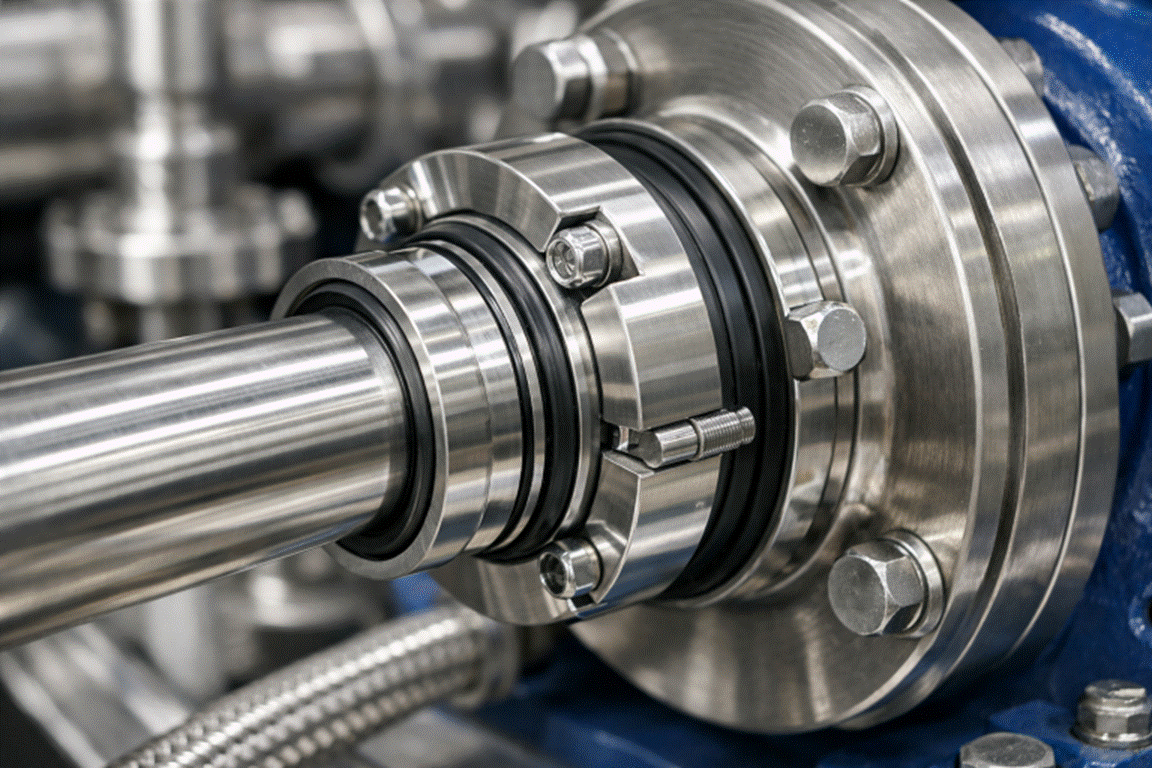
Mechanical seals are designed to prevent leakage where a rotating shaft passes through a stationary housing, or, less commonly, where a housing rotates around a stationary shaft. They typically consist of a stationary and a rotating seal face, with a thin film of fluid between them to minimize friction and wear. The design is intended to be simple in function but robust enough to handle a range of fluid types, pressures, and temperatures, making proper selection and maintenance vital.
Their effective performance depends on maintaining the absolute minimum tolerances for misalignment and ensuring correct material compatibility with the fluid being handled. Mechanical seals are utilized in applications ranging from water treatment facilities to oil refineries and HVAC systems.
Common Causes of Seal Failure
Seal failure is one of the leading causes of pump malfunction and unplanned downtime. Several preventable factors contribute to this problem:
- Improper Installation: Misalignment or contamination during installation can quickly initiate seal wear.
- Operational Conditions: Pumps operating outside their designed parameters can lead to excessive vibration and stress, resulting in early failure.
- Contamination: The presence of abrasive or corrosive particles in the pumped fluid can lead to significant damage to seal faces.
- Inadequate Lubrication: Without sufficient lubrication, the sliding faces will sustain heightened friction, rapidly decreasing seal lifespan.
Understanding and addressing these factors can dramatically increase mechanical seal reliability and pump uptime.
Best Practices for Seal Selection
Selecting the right mechanical seal for your application involves a close review of several vital criteria:
- Fluid Characteristics: The chemical composition, pH level, temperature, and viscosity all influence material choice and seal design.
- Operating Conditions: Consistent evaluation of operating pressure, routine and maximum temperatures, and rotation speed is crucial.
- Seal Materials: Material compatibility is paramount. The materials used for seal faces, elastomers, and metal parts must be resistant to corrosion, erosion, and chemical attack from both the fluid and the operating environment.
Consultation with seal manufacturers or third-party experts, particularly for challenging fluids or highly regulated environments, can help avoid costly mistakes and ensure optimal selection.
See also: How Innovative Physiotherapy Techniques Improve Pain Management
Proper Installation Techniques
Installation is a defining step in the lifespan of a mechanical seal. Best practices include:
- Preparation: Disassemble and thoroughly clean all parts to remove contaminants that can abrade seal faces or prevent a tight seal.
- Alignment: Ensure the shaft and seal components are perfectly aligned to prevent unnecessary mechanical stress.
- Lubrication: Use only manufacturer-recommended lubricants on seal faces during installation. This initial lubrication is essential for reducing start-up wear.
- Torque Specifications: Adhere strictly to the manufacturer’s recommended torque values when tightening bolts. Uneven torque can warp metallic parts and contribute to leaks.
Maintenance and Monitoring
Mechanical seal longevity is tied directly to proactive maintenance and diligent monitoring. Key practices include:
- Routine Inspections: Regular visual and tactile inspections detect early signs of wear, leaks, and other damage before they escalate.
- Vibration Analysis: Monitoring for abnormal vibrations can alert operators to developing misalignment or mechanical imbalance, both of which are detrimental to seal performance.
- Temperature Monitoring: Operating temperatures must remain within manufacturer limits. Excessive heat can warp seal faces and degrade elastomer performance.
Predictive maintenance strategies that use sensors and historical data can help facilities anticipate failures in advance, enabling planned interventions rather than emergency repairs.
Environmental Considerations
Mechanical seals are essential for meeting environmental compliance requirements, as their efficiency in preventing leaks directly impacts pollution risk. Selecting seals engineered for compatibility with hazardous or regulated fluids further reduces the likelihood of regulatory violations. Consistent upkeep and inspections play an equally important role in ensuring environmental safety by reducing the chances of accidental emissions or spills.
Conclusion
Mechanical seal reliability is a cornerstone of pump system performance and long-term operational efficiency. By adhering to best practices in selection, installation, and ongoing maintenance, facility managers and operators can increase uptime, mitigate environmental risks, and extend equipment lifespan. Understanding the root causes of seal failure and implementing preventative solutions is a proactive strategy that pays dividends throughout the life cycle of any pump-driven process.