Plastic Surgery Abroad: Why Albania Is Suddenly on the Shortlist

For years, Europeans looking for affordable cosmetic surgery had two default destinations: Turkey and, for some procedures, Eastern Europe. In the last few years a third name has started appearing in the same conversations — Albania.
More Europeans are travelling abroad for cosmetic surgery
It’s easy to see why on paper. Tirana is a short flight from Italy, Greece and most of Central Europe. Prices for common procedures are 60–70% lower than in Milan, London or Munich. And the country’s private hospital sector has matured quickly, with surgeons trained in Italy, Turkey, Germany and the US.
But cosmetic surgery is still surgery. Before you compare prices, it’s worth understanding what you’re actually buying, what can go wrong, and how to tell a genuinely safe provider from a good marketing department.
The cost picture, honestly
Let’s start with the numbers people search for. Based on published prices from hospital-based providers in Tirana, typical all-inclusive ranges look like this:
| Procedure | Albania (approx.) | Italy / UK (approx.) |
| Rhinoplasty | €2,500–€3,500 | €7,000–€12,000 |
| Breast augmentation | €3,500–€4,500 | €8,000–€15,000 |
| Tummy tuck | €3,000–€4,000 | €8,000–€12,000 |
| Facelift | €4,500–€6,000 | €12,000–€20,000 |
The Albanian figures usually include the surgeon, anaesthesia, hospital stay, medication and follow-up during your visit. Flights (often €100–€300) and a hotel (€40–€80 a night) come on top. Even after adding a 10-day stay, most patients save several thousand euros.
The important caveat: the gap exists because of lower operating costs, not lower material costs. Implants, sutures and anaesthetic drugs cost roughly the same everywhere. So when a quote is dramatically below the local market — say, a €1,200 rhinoplasty — the saving is coming from somewhere else. Usually the surgeon’s experience, the facility, or both.
Clinic vs. hospital: the distinction that matters most
The single most useful thing to understand about cosmetic surgery abroad is the difference between an aesthetic clinic and a hospital department.
Most cosmetic providers — in Albania and everywhere else — are standalone clinics. Many are excellent. But a standalone clinic has, by definition, no intensive care unit, no cardiologist down the hall, and often no dedicated anaesthesiology team. If a patient has an adverse reaction to anaesthesia, a post-operative bleed, or a cardiac event on the table, the plan is to call an ambulance.
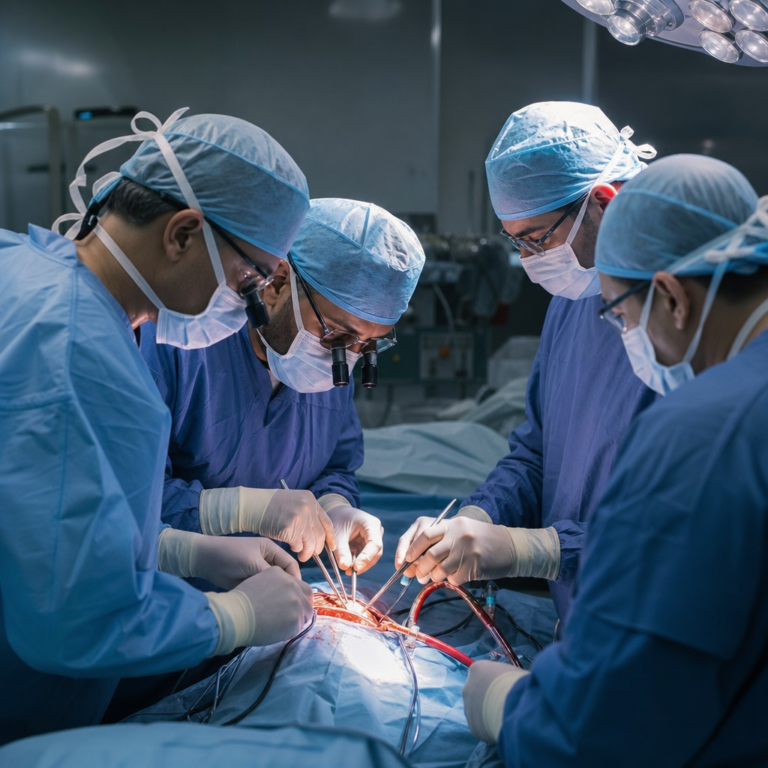
A hospital-based department changes that equation. Plastic surgery at American Hospital in Tirana is a good example of the model: the aesthetic surgery team operates inside a full private hospital with 30-plus medical departments, its own ICU, cardiac monitoring and anaesthesiologists on staff. Pre-operative blood work, ECG and anaesthesia consultation happen in the same building the day before surgery, and patients stay overnight under nursing observation rather than being discharged to a hotel a few hours after a general anaesthetic.
For a minor procedure under local anaesthetic — earlobe repair, a small lipo area — this level of infrastructure isn’t essential. For anything under general anaesthesia lasting more than an hour, or any combined procedure (a “mommy makeover,” BBL with lipo, facelift with neck lift), it’s the factor I’d weight most heavily.
See also: How SEO Can Help Your Sydney Small Business
How to vet a surgeon from 1,000 km away
Ask for these before booking anything:
- The surgeon’s full name and training history. Then check it. Board certification in plastic and reconstructive surgery specifically — not “aesthetic medicine” or dermatology — is the baseline.
- Case volume for your procedure. A surgeon who does 150 rhinoplasties a year and 5 facelifts is a rhinoplasty surgeon. Match the surgeon to the procedure.
- Unedited before-and-after photos of their patients, ideally with similar anatomy to yours, and ideally at 6–12 months rather than 6 weeks.
- A video consultation with the actual surgeon, not a coordinator. If you can’t speak to the person operating on you before you fly, walk away.
- Written confirmation of what’s included — and what isn’t. Revision policy, garment costs, extra nights if recovery runs long.
- Who follows you up after you fly home, and how. A named contact and a remote check-in schedule at 2 weeks, 6 weeks and 6 months is reasonable.
Recovery: how long you’ll realistically be away
One of the most common planning mistakes is booking a return flight too early. Rough guidance from hospital-based teams in Tirana:
- Liposuction: fly home after 3–7 days
- Breast augmentation: 5–7 days
- Rhinoplasty: 7–10 days (splint removal usually at day 7)
- Tummy tuck: 10–14 days
- Facelift: 10–14 days
Budget for the upper end. Flying with unresolved swelling or before drains are out is uncomfortable at best and risky at worst, and most surgeons will want to see you once more before clearing you to travel. Tirana is a pleasant, inexpensive city to spend a low-key week in, which makes the wait easier than it sounds.
Who shouldn’t do this
Surgery abroad is a poor fit if you have significant medical conditions (uncontrolled diabetes, heart disease, a high BMI), if you’re a smoker who won’t stop for the required period, or if you’re hoping for a same-week “quick fix” before an event. It’s also a poor fit if your expectations are being set by filtered social media results. A good surgeon anywhere will tell you what’s achievable; a good surgeon abroad should be just as willing to tell you no.
The bottom line
Albania has earned its place on the shortlist for cosmetic surgery abroad, but the reason to go isn’t simply price. It’s that a handful of providers now offer hospital-grade infrastructure — ICU, anaesthesiology, multidisciplinary backup — at a cost that standalone clinics in Western Europe can’t match. American Hospital’s plastic surgery department is one of the clearest examples of that model. Whichever provider you consider, prioritise the surgeon’s credentials and the facility’s medical backup first, the all-inclusive package second, and the headline price last.