Inside a Heart Transplant Programme: Eligibility, Waiting Lists, Donor Matching, and the Team Behind Every Decision

A heart transplant is one of the most complex and consequential procedures in modern medicine. For patients living with end-stage heart failure, it can represent the only viable path to survival. Yet the journey from initial referral to a successful transplant involves far more than a single surgical event. It is a carefully orchestrated process that unfolds over months or even years, guided by a multidisciplinary team of specialists who evaluate, monitor, and advocate for each patient at every stage. Understanding how a heart transplant programme operates — from the first eligibility assessment to post-operative care — helps patients and families navigate this process with greater clarity and confidence.
Who Qualifies for a Heart Transplant: The Eligibility Assessment
The eligibility assessment is the foundation of any transplant programme. Not every patient with severe heart disease will be a suitable candidate, and the evaluation process is designed to identify those who are most likely to benefit while minimising risk. Candidates are typically referred when conventional treatments — including medications, implantable devices, or corrective surgeries — have failed to adequately manage their condition.
During the assessment, cardiologists and transplant specialists conduct a comprehensive review of the patient’s cardiac function, typically using echocardiography, cardiac catheterisation, and stress testing. Beyond the heart itself, the evaluation examines kidney and liver function, pulmonary health, nutritional status, and the presence of any active infections or malignancies that could complicate surgery or immunosuppressive therapy. Psychological readiness and the strength of a patient’s social support network are also assessed, as post-transplant recovery demands sustained commitment and reliable assistance at home.
Absolute contraindications — conditions that rule out transplantation entirely — include irreversible pulmonary hypertension, active systemic infections, and certain cancers. Relative contraindications, such as obesity, diabetes, or advanced age, are weighed individually. The goal is not to exclude patients arbitrarily but to ensure that those who receive a donor heart have the best possible chance of long-term survival.
See also: The Importance of Health in Everyday Life
The Waiting List: A Dynamic and Medically Driven Process
Once a patient is approved for transplantation, they are placed on a national or regional waiting list managed by a transplant authority. In most countries, this list is not a simple queue based on time waited. Instead, it is a dynamic system that prioritises patients according to medical urgency, blood type, body size, and geographic proximity to the donor.
Patients are assigned a status classification that reflects the severity of their condition. Those in critical condition — for example, patients dependent on mechanical circulatory support or intravenous inotropes in an intensive care setting — are given higher priority. A patient’s status can change over time as their condition improves or deteriorates, meaning that position on the list is not fixed. Transplant coordinators monitor listed patients closely, often through regular clinic visits and remote monitoring, to ensure that their status remains accurate and that they are medically prepared to undergo surgery at short notice.
The waiting period is also a time of active medical management. Patients may receive bridging therapies such as ventricular assist devices (VADs), which support heart function and can sustain life for months or years while awaiting a suitable donor. These devices have transformed the landscape of transplant medicine, allowing more patients to survive the wait in better overall condition.
Donor Matching: The Science and Logistics of Compatibility
When a potential donor heart becomes available, the matching process begins immediately. Time is the critical variable — a donor heart can only remain viable outside the body for approximately four to six hours, making rapid decision-making essential. The matching algorithm considers ABO blood group compatibility, body size (to ensure the donor heart is anatomically appropriate for the recipient’s chest cavity), and the geographic distance between donor and recipient hospitals.
Crossmatch testing, which checks for pre-formed antibodies that could trigger immediate rejection, is performed when time permits. In urgent situations, a virtual crossmatch using stored recipient data may be used instead. The transplant team evaluates the quality of the donor heart through information provided by the procurement team, including the donor’s age, cause of death, cardiac function, and any relevant medical history. If the heart is deemed suitable, the recipient is contacted and brought to the hospital immediately.
The Role of Organ Procurement Organisations
Organ procurement organisations (OPOs) play a vital intermediary role in this process. They coordinate with donor hospitals to identify medically suitable donors, obtain consent from families, and manage the logistics of organ retrieval and transport. Their work is conducted around the clock, and their efficiency directly affects how many viable hearts reach transplant centres in time. Advances in organ preservation technology, including machine perfusion systems that keep hearts beating during transport, are extending the window of viability and expanding the geographic reach of donor-recipient matching.
The Multidisciplinary Team: Expertise at Every Stage
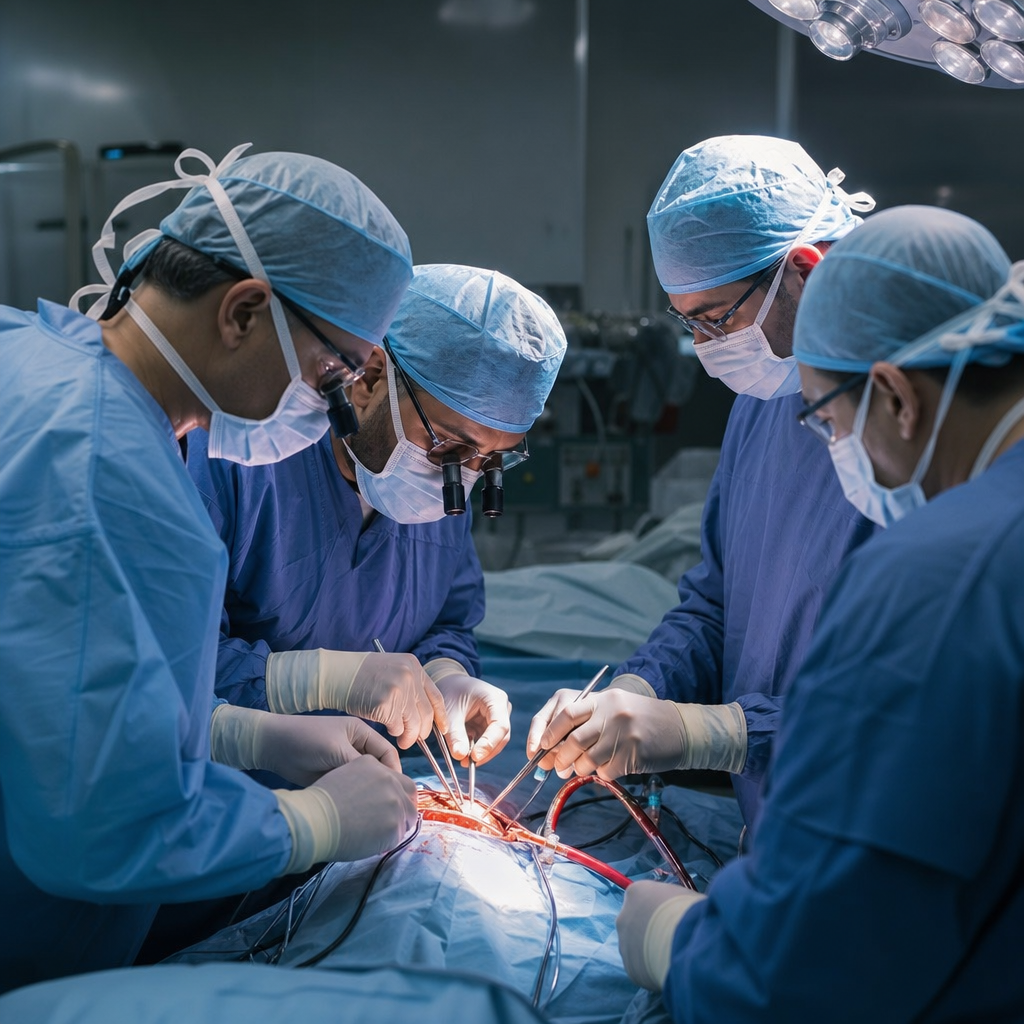
A heart transplant programme is not the work of a single surgeon. It requires a cohesive multidisciplinary team whose members contribute specialised expertise at each phase of the patient’s journey. Transplant cardiologists lead the medical management of candidates and recipients. Cardiothoracic surgeons perform the procurement and implantation procedures. Transplant coordinators serve as the central point of communication, guiding patients through the process and ensuring that all logistical and clinical requirements are met.
Immunologists and pharmacists manage the complex immunosuppressive regimens that prevent rejection. Intensivists and critical care nurses oversee the immediate post-operative period. Physiotherapists, dietitians, social workers, and psychologists support the patient’s rehabilitation and long-term wellbeing. This integrated approach is not incidental — it is the structural backbone that makes successful transplantation possible. Research into how multidisciplinary care models improve outcomes, including insights from collaborative hospital partnerships focused on patient-centred care, continues to shape best practices across transplant centres worldwide.
Cleveland Clinic Abu Dhabi: A Centre of Transplant Excellence in the Region
For patients in the Middle East and beyond, access to a world-class transplant programme has historically required international travel. That landscape has changed significantly with the establishment of advanced cardiac surgery capabilities in the UAE. The Heart transplant program at Cleveland Clinic Abu Dhabi brings together internationally trained specialists, state-of-the-art infrastructure, and the clinical protocols of one of the world’s most respected medical institutions. Patients benefit from a comprehensive care pathway that spans pre-transplant evaluation, surgical intervention, and long-term follow-up — all within a single, integrated centre.
The programme’s commitment to evidence-based medicine and patient-centred care reflects the broader philosophy of Cleveland Clinic, which has long been recognised as a global leader in cardiac medicine. For patients who previously had no local option for transplantation, this represents a meaningful and potentially life-saving development.
Life After Transplant: Ongoing Management and Long-Term Outlook
Receiving a donor heart is not the end of the journey — it is the beginning of a new chapter that requires lifelong medical management. Immunosuppressive medications must be taken daily to prevent the immune system from attacking the transplanted organ. Regular endomyocardial biopsies and imaging studies monitor for signs of rejection or cardiac allograft vasculopathy, a form of accelerated coronary artery disease that can develop in transplanted hearts over time.
Patients are also counselled on lifestyle modifications that support long-term heart health, including dietary changes, structured exercise, and strategies for managing the increased infection risk associated with immunosuppression. For those exploring broader health and wellness strategies as part of their recovery, resources on evidence-based weight management approaches can offer useful context for maintaining a healthy body weight, which is particularly relevant for transplant recipients managing metabolic side effects of their medications.
Conclusion
A heart transplant programme is a remarkable convergence of medical science, logistical precision, and human compassion. From the rigorous eligibility assessment that identifies the right candidates, through the dynamic waiting list that prioritises the most urgent cases, to the split-second decisions involved in donor matching and the sustained expertise of a multidisciplinary team — every element serves a single purpose: giving patients with end-stage heart failure a genuine chance at life. As programmes continue to evolve and expand their reach, more patients around the world are gaining access to this extraordinary form of care.