Shiatsu Massage: From a 16th-Century Monk to Your One-Hour Session

Around the 16th century, a Buddhist monk is said to have carried healing practices from traditional Chinese medicine into Japan. Those practices later grew into what people now book as a Shiatsu massage. It seems odd that something so old still fits into an ordinary weekday hour. Yet that is how many people meet it today, with a trained therapist working through pressure points one by one. So what happened in between, and what should you expect from your own session?
Shiatsu massage aims to support the body’s own ability to balance and heal itself. That goal sounds large for a single hour, and perhaps it is. Its history, though, explains a lot about what a session feels like.
How Shiatsu Massage Traveled from China to Japan
Shiatsu’s roots lie in traditional Chinese medicine. According to the common account, a Buddhist monk introduced those practices to Japan in the 16th century. What arrived did not stay unchanged.
In the early 1900s, Japanese practitioners developed new methods to suit their own physiology and environment. They blended traditional Japanese manual therapies with modern Western medical knowledge. Several styles of shiatsu grew out of that mix, each aimed at different benefits.
Four hundred years is a long stretch for any hands-on practice to survive, and it makes sense that it changed along the way. That blend of old and new explains why the word shiatsu now covers a family of styles rather than one fixed routine.
What “Finger Pressure” Means in Shiatsu Massage
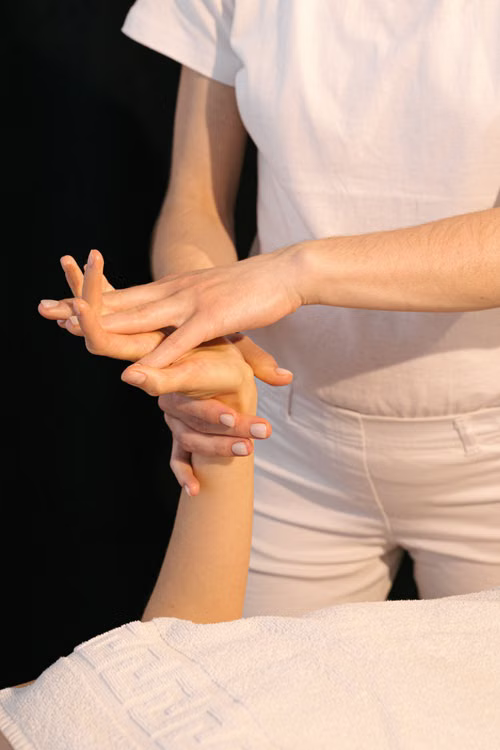
The word shiatsu translates to finger pressure. The name undersells the method, if anything. Practitioners use their hands and fingers, and sometimes their elbows, knees, and even feet. A first-timer might picture light fingertip work and then feel an elbow settle into a tight shoulder.
The pressure goes to what the tradition calls energy points. Shiatsu teaches that the body carries a life energy known as Qi or Ki. In this view, pressing those points releases blocked energy channels and helps balance its flow.
Of course, you do not have to accept every part of that framework to enjoy a session. Some people come simply for the calm, steady pressure and leave the theory to the therapist.
See also: Clear Aligners: A Perfect Fit for Busy Lifestyles
The Techniques and Habits Behind Shiatsu Massage
Pressing gets the attention, but a shiatsu therapist has more than one tool. A session can include soothing, tapping, kneading, and stretching. Someone expecting a simple rub may not see the first stretch coming.
Shiatsu also reaches beyond the hour itself. The tradition emphasizes posture, breathing, and exercise as part of staying well. A therapist may point out how you hold your shoulders or how shallow your breathing gets.
What Happens During Your One-Hour Shiatsu Massage Session
The session runs for one hour and usually feels soothing and relaxing. A trained therapist watches for subtle responses in your body as the work goes on. The therapist then applies pressure to the shiatsu points that suit your condition that day.
The pressure should stay comfortable from start to finish. If a point feels too intense, say so, since comfort is part of the method, not a bonus.
Why People Turn to Shiatsu Massage
Shiatsu practitioners offer it for a wide mix of complaints:
- It targets headaches, migraines, backaches, and general body aches.
- It works on stiff necks and shoulders, along with sore muscles and joints.
- It gives attention to posture.
- Abdominal shiatsu offers a traditional approach to constipation and digestive discomfort.
- The tradition also turns to it for coughs, colds, and menstrual discomfort.
- Regular sessions aim to lower stress and bring on a sense of calm.
Results will vary from person to person. The tradition places more weight on regular sessions than on a single visit, which seems fair for long-standing complaints.
Common Questions Before a First Shiatsu Massage
- Do You Need to Believe in Qi for Shiatsu Massage to Help?
You probably do not need to. The tradition explains its effects through Qi or Ki, but soothing pressure and stretching can feel relaxing either way. Some people care about the theory, and others want their shoulders to loosen.
- What Should You Mention Before a Shiatsu Massage Starts?
Share where you feel stiff or sore, and mention any headaches or back trouble you deal with often. That information helps the therapist decide which points deserve the most time during the hour.
- How Often Should You Get a Shiatsu Massage?
Shiatsu favors regular sessions over one-off visits. The right rhythm depends on your schedule and how your body responds, and a trial run of a few sessions may tell you more than any fixed rule.
To Conclude
One session can feel deeply relaxing, even rejuvenating. From a monk’s teachings to a single hour on your calendar, shiatsu has taken a long route to reach you. Whether that hour becomes part of your routine is up to you.