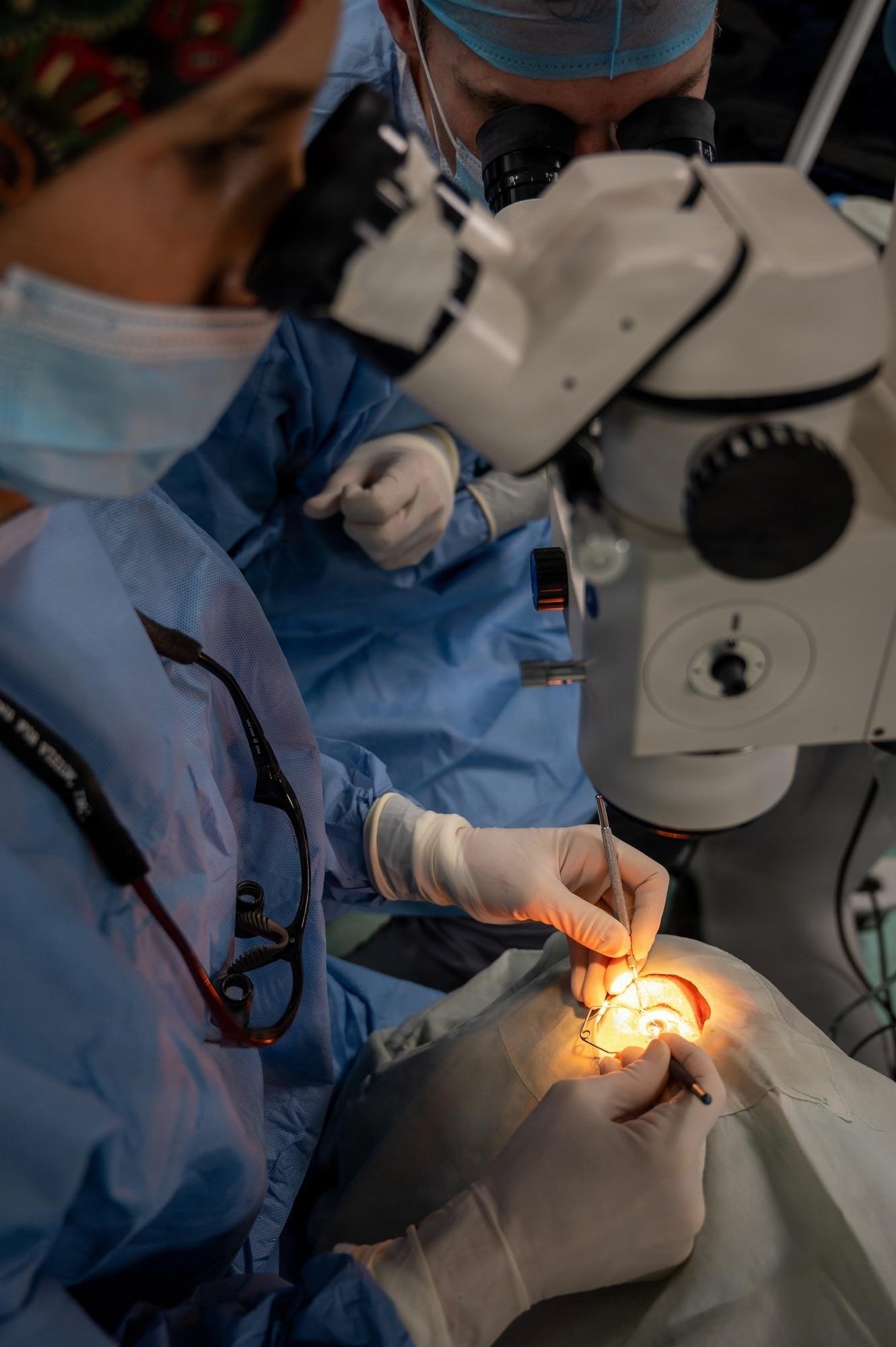
How Light Adjustable Lenses Personalize Vision After Cataract Surgery

Cataract surgery has become one of the most reliable ways to restore clear vision. While the procedure itself is well established, the technology behind artificial lenses continues to evolve. One of the more recent developments is the ability to adjust a lens after it has already been placed in the eye.
This approach offers a more personalized way to achieve clear vision. Instead of relying entirely on pre-surgery measurements, adjustments can be made based on how the eye heals and how vision actually feels afterward. Understanding how this process works can help patients feel more informed when considering their options.
What Cataract Surgery Aims to Achieve
Cataracts form when the eye’s natural lens becomes cloudy, affecting how light reaches the retina. This can lead to blurred vision, reduced contrast, and increased sensitivity to light. During surgery, the cloudy lens is removed and replaced with a clear artificial lens.
The goal is to restore clarity and improve overall visual function. Traditional intraocular lenses are selected before surgery and remain fixed once implanted. While this approach works well for many people, it relies heavily on preoperative calculations.
Newer lens technologies aim to add flexibility to this process.
See also: Outpatient Mental Health Orange County
What Makes Light Adjustable Lenses Different
Light adjustable lenses introduce a different concept in vision correction. Instead of setting the final prescription during surgery, these lenses can be modified afterward using controlled light treatments. This allows the lens to be fine-tuned based on real-world visual outcomes.
The adjustments are typically performed in a series of sessions after the eye has begun to heal. Each session gradually refines the focus, helping achieve the desired level of clarity.
For those interested in learning more about this approach, this explanation of light adjustable lens technology provides additional insight into how post-surgery customization works.
Why Post-Surgery Adjustment Matters
Every eye heals differently, and even small variations can affect vision. Traditional lenses depend on predictions made before surgery, but adjustable lenses allow corrections after healing begins. This can lead to a more accurate visual result.
Patients often find reassurance in knowing that their vision can be refined rather than fixed from the start. This flexibility can be especially helpful for those with specific visual goals.
It also supports a more individualized approach to care.
The Adjustment Process After Surgery
Recovery begins in a similar way to standard cataract surgery. The eye starts healing within the first few days, and vision gradually improves. Once the eye is stable enough, the adjustment phase begins.
During this phase, specialized light treatments are used to reshape the lens. These treatments are carefully controlled and spaced over time to allow gradual refinement.
Patients may be asked to wear protective eyewear between sessions to ensure that unintended light exposure does not affect the lens.
Adapting to Changes in Vision
As adjustments are made, vision may change slightly from one session to the next. This process allows for fine-tuning and helps achieve a clearer final result. While it may take a bit longer than traditional approaches, the outcome is often more precise.
The brain also plays a role in adapting to these changes. Over time, vision becomes more stable and comfortable.
Regular follow-up visits ensure that progress is monitored closely.
Who May Benefit from This Approach
Light adjustable lenses may be suitable for individuals who want a more customized visual outcome. They can be particularly helpful for those who wish to reduce their dependence on glasses or who have specific preferences for how they see at different distances.
People who have had previous vision correction procedures may also benefit from the flexibility these lenses provide. However, not everyone is a candidate, and a detailed evaluation is necessary.
Discussing options with an eye care professional helps determine whether this approach is appropriate.
The Importance of Choosing the Right Specialist
The success of cataract surgery and lens selection depends on the expertise of the eye care provider. Working with an experienced ophthalmologist ensures that both the procedure and follow-up care are handled carefully.
This guide on choosing specialized eye care providers highlights how selecting the right professional can support better outcomes and a smoother experience.
Clear communication with the provider also helps align expectations and goals.
Maintaining Eye Health After Surgery
Even after successful cataract surgery, ongoing eye care remains important. Regular checkups help monitor vision and detect any changes early. Protecting the eyes from excessive sunlight and reducing strain from screens can support long-term comfort.
Healthy habits, including proper hydration and balanced nutrition, also contribute to eye health. These steps help preserve the benefits of improved vision.
For additional perspective on maintaining eye health, this article from HuffPost shares practical advice from eye care professionals.
Looking Ahead
Advances in cataract surgery continue to expand the possibilities for improving vision. Light adjustable lenses represent a shift toward more personalized care, allowing adjustments based on real outcomes rather than estimates alone.
This approach reflects a broader trend in medicine toward customization and precision. As technology continues to evolve, patients have more options than ever before.
Understanding these options helps individuals make informed decisions about their vision.
Conclusion
Light adjustable lenses offer a unique way to refine vision after cataract surgery. By allowing adjustments after the procedure, they provide greater flexibility and a more personalized result.
With proper guidance, careful follow-up, and realistic expectations, this approach can lead to improved clarity and comfort. Taking the time to understand how these lenses work helps patients feel more confident in their choices and their long-term eye care.