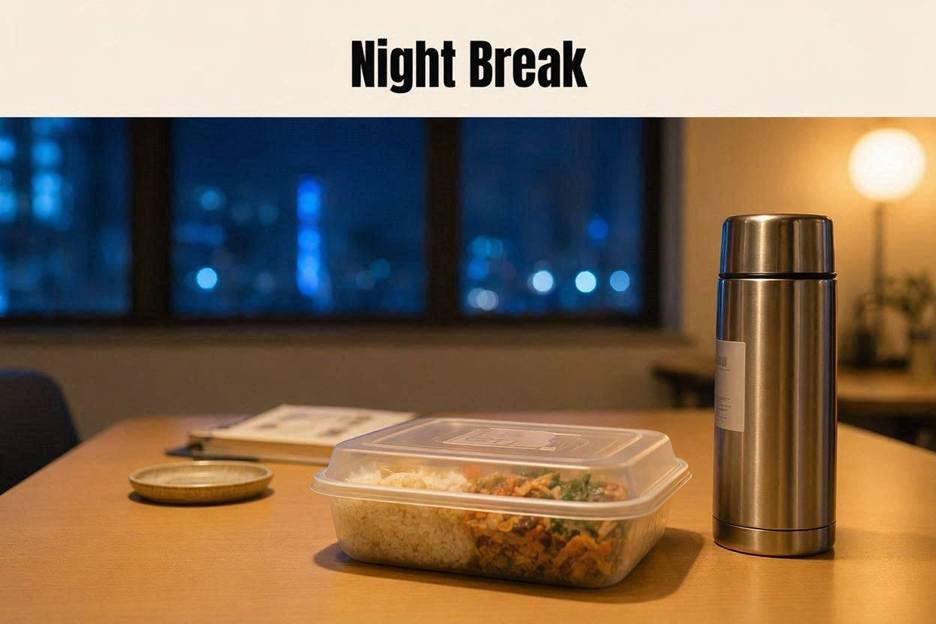
Nutrition for Shift Workers: Eating Well When Your Day Runs Backwards

Almost all nutrition advice assumes you wake with the sun, eat three meals across daylight hours, and sleep at night. For the millions of people working nights, rotating shifts, or on-call rosters, that advice ranges from unhelpful to actively impossible. You cannot “eat a good breakfast” when your day begins at 10pm.
Shift work also creates genuine physiological challenges, not just logistical ones. Your body runs on a circadian rhythm that governs digestion, insulin sensitivity, and appetite hormones, and it doesn’t fully adapt to a night schedule no matter how long you work it. Eating a large meal at 3am is metabolically different from eating the same meal at 1pm.
None of this means shift workers are doomed to eat badly. It means the standard rules need translating. Knowing your actual daily targets helps here more than most people expect, since it gives you something to aim at that doesn’t depend on the clock — you can check yours with a DRI calculator in a couple of minutes.
Here’s what actually works when your schedule runs against the sun.
Why Timing Matters More on Nights
Your body processes food differently at different times of day, and this is the root of most shift-work nutrition problems.
Insulin sensitivity is at its highest in the morning and declines through the day, reaching its lowest point overnight. The same meal eaten at 3am produces a larger and longer blood sugar response than it would at midday. Digestion also slows overnight, which is part of why heavy night-time meals often sit badly and disrupt the sleep that follows.
This is why shift workers show higher rates of digestive complaints, weight gain, and metabolic problems even when their total intake looks reasonable on paper. The issue frequently isn’t what’s eaten but when.
The practical implication: keep the largest meal before the shift where possible, and make the middle-of-the-night eating lighter than instinct suggests.
See also: The Importance of Health in Everyday Life
Build the Shift Around One Real Meal
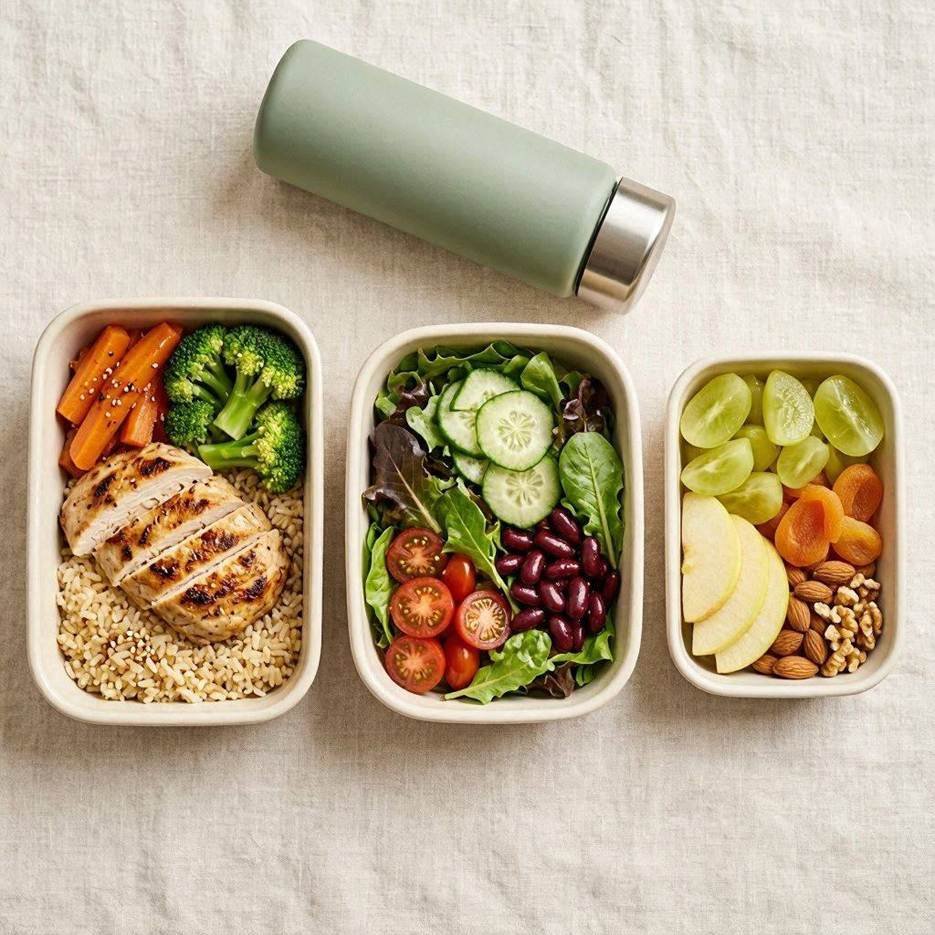
The most reliable structure for a night shift is a proper meal before you start, something moderate partway through, and a small meal after.
Eating a substantial, balanced meal before the shift means arriving fuelled rather than hunting for food at 2am, which is when the vending machine wins. That meal should carry protein, complex carbohydrate, and vegetables — the combination that provides sustained energy rather than a spike and crash.
Partway through, something lighter and protein-forward keeps you going without loading your digestion at its slowest point. After the shift, a small meal before sleeping works better than either going to bed hungry or eating a full dinner at 8am.
The pattern most likely to cause problems is the opposite: skipping food before the shift, running on coffee, and then eating heavily in the small hours because hunger has become urgent.
Nutrients That Matter More for Shift Workers
A few things deserve particular attention when you work nights.
Vitamin D is an obvious one. Sunlight exposure drops substantially when you sleep through daylight hours, and skin synthesis is the main source for most people. Food sources like oily fish and fortified products carry more weight for night workers than for anyone else.
Magnesium and B vitamins are involved in energy metabolism and sleep quality, and both are commonly under-consumed generally. Leafy greens, nuts, seeds, and whole grains cover them.
Fibre matters because shift work disrupts digestion and constipation is a frequent complaint. Legumes, whole grains, fruit, and vegetables all help, though increases should be gradual to avoid discomfort.
Fluid is easy to neglect on a busy shift, and mild dehydration reads as fatigue, which then gets treated with more caffeine. A water bottle you actually refill is a more effective intervention than it sounds.
The Caffeine Question
Caffeine is the shift worker’s default tool and it works, but timing determines whether it helps or compounds the problem.
Caffeine has a half-life of roughly five to six hours, meaning a coffee at 4am still has meaningful caffeine circulating at 10am when you’re trying to sleep. Front-loading caffeine into the first half of the shift and stopping several hours before your intended sleep protects the recovery that makes the next shift survivable.
The trap is the cycle: poor sleep produces fatigue, fatigue produces more caffeine, more caffeine produces worse sleep. Breaking it usually requires accepting slightly more tiredness at the end of a shift in exchange for better rest afterward.
Practical Preparation That Actually Survives a Shift
Most shift-work nutrition failures are logistical rather than motivational. Good intentions collapse when the only available food at 3am is what someone brought in.
Bringing food is the single highest-impact habit. Cooking a slightly larger dinner and packing the surplus takes almost no additional effort and removes the decision entirely. Keeping non-perishable backups in a locker or bag — nuts, tinned fish, oatcakes, fruit — covers the shifts where preparation didn’t happen.
It also helps to prepare for the post-shift meal in advance, since that’s when you’re least inclined to cook and most likely to eat something poor before sleeping.
Frequently Asked Questions
Should night workers eat during the night at all?
Something light generally works better than nothing, since going eight or more hours without food tends to produce excessive hunger and poor choices later. The aim is moderate rather than absent — a small protein-containing meal rather than a full dinner at 3am.
Does shift work cause weight gain?
Shift work is associated with higher rates of weight gain and metabolic problems, driven by circadian disruption, altered appetite hormones from poor sleep, and the limited food available overnight. It isn’t inevitable, but it does mean the same eating habits carry more consequence than they would on a day schedule.
Is intermittent fasting a good idea for shift workers?
It’s complicated, and worth discussing with a healthcare professional rather than adopting from general advice. Restricting eating to a window can work, but the interaction with an already disrupted circadian rhythm and irregular rosters makes it harder to apply well than for day workers.
What’s the best thing to eat before sleeping after a night shift?
Something small and easy to digest. A large meal immediately before sleep tends to disrupt it, while going to bed genuinely hungry does the same. A light meal with some protein, an hour or so before sleeping, tends to work best.
Final Thoughts
Shift work makes good nutrition harder, but the adjustments are more practical than dramatic. Eat a real meal before the shift rather than during it. Keep overnight eating lighter than hunger suggests. Front-load caffeine and stop early. Bring your own food, because the alternative at 3am is rarely good. And pay particular attention to vitamin D, fibre, and fluid, which shift patterns tend to erode.
Having a clear target helps more than it might seem, since it gives you something fixed to work toward while everything else about your schedule moves. The free DRI calculator gives you personalised daily figures for calories, protein, vitamins, and minerals in a couple of minutes, independent of what time your day happens to start.