Seal Packaging Machine: The Complete Buying Guide

Choosing a seal packaging machine can feel confusing at first. There are so many types, and each one is built for a different kind of product.
This guide breaks it all down in plain language. You will learn what a seal packaging machine actually does, the main types available, how they compare, and how to pick the right one for your business without overspending.
Table of Contents
- What Is a Seal Packaging Machine?
- Main Types of Seal Packaging Machines
- How Sealing Methods Differ
- Benefits of Using a Seal Packaging Machine
- How to Choose the Right One
- Cost Guide
- Industries That Use Seal Packaging Machines
- Maintenance Tips
What Is a Seal Packaging Machine?
A seal packaging machine closes packaging around a product using heat, pressure, or vacuum, so the contents stay fresh, protected, and secure during storage and shipping.
These machines are used across food, pharmaceutical, cosmetic, and industrial packaging. The right machine depends on your product type, the packaging material you use, and how fast you need to run your line.
Main Types of Seal Packaging Machines
Here are the most common types you will come across, along with what each one is best suited for.
Horizontal Form Fill Seal (HFFS) Machines
These machines form, fill, and seal packaging in a horizontal motion. They work best for single, solid items like bakery goods, bars, or hardware parts, and they are known for using less packaging material.
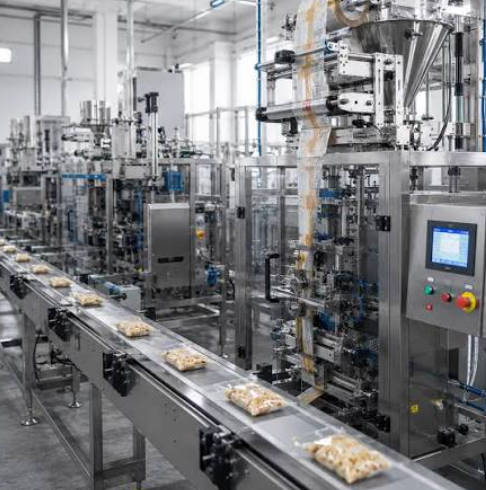
Vertical Form Fill Seal (VFFS) Machines
VFFS machines form a tube of film vertically, then drop product into the bag before sealing it shut. This design works well for powders, granules, liquids, and snack foods.
Vacuum Sealing Machines
Vacuum sealers remove air from a package before sealing it, which helps extend shelf life. These are common for meat, cheese, and other perishable goods.
Band Sealers
Band sealers use a continuous heated belt to close poly bags. They are simple, affordable, and often used for bagged snacks, hardware, and retail products.
Tray Sealers
Tray sealers seal a film lid onto a pre-formed tray, which is common for ready meals, fresh produce, and deli items.
How Sealing Methods Differ
| Sealing Method | How It Works | Best For |
| Heat sealing | Uses heated bars to melt and fuse film layers | Most flexible packaging |
| Ultrasonic sealing | Uses vibration to bond material without heat | Messy or moisture-sensitive products |
| Induction sealing | Uses electromagnetic energy to seal foil liners | Bottles, jars, and containers |
| Vacuum sealing | Removes air before sealing | Perishable and long-shelf-life goods |
Ultrasonic sealing is especially useful for messy products because it does not need the seal area to be perfectly clean and dry, unlike heat sealing.
Benefits of Using a Seal Packaging Machine
- Longer shelf life through airtight, secure seals.
- Consistent, professional-looking packaging every time.
- Faster production speeds compared to manual sealing.
- Reduced product waste from leaks or contamination.
- Lower long-term labor costs on the packing line.
How to Choose the Right Machine
Ask yourself these questions before making a decision.
- What is your product? Powders and liquids usually need VFFS, while solid single items work well with HFFS.
- How fast do you need to run? High-volume lines need continuous motion machines rather than manual or semi-automatic units.
- What packaging material are you using? Some machines only work with certain film types or thicknesses.
- Do you need a vacuum seal? If shelf life is a top concern, prioritize vacuum sealing capability.
- What is your budget? Entry-level machines cost far less but sacrifice speed and automation.
Cost Guide
| Machine Type | Typical Price Range |
| Manual band sealer | $500 – $3,000 |
| Semi-automatic tray sealer | $3,000 – $10,000 |
| Automatic vacuum sealer | $8,000 – $30,000 |
| Full HFFS or VFFS system | $25,000 – $150,000+ |
Industries That Use Seal Packaging Machines
- Food and beverage: snacks, bakery items, meat, produce, and ready meals.
- Pharmaceuticals: blister packs, sachets, and sterile pouches.
- Cosmetics and personal care: sample sachets and travel-size products.
- Industrial and hardware: small parts, fasteners, and promotional items.
Maintenance Tips
- Clean sealing bars regularly to prevent film residue buildup.
- Check seal temperature settings often, since worn heating elements drift over time.
- Replace conveyor belts and rollers before they show visible wear.
- Keep a spare parts kit on hand to reduce downtime during repairs.
Frequently Asked Questions
What is the difference between HFFS and VFFS machines?
HFFS machines form and seal packaging horizontally and work best for solid single items. VFFS machines form a vertical tube and drop product inside, making them ideal for powders and liquids.
Which seal packaging machine is best for food products?
It depends on the food type. Snacks and bars often use HFFS, powders and granules use VFFS, and perishable items like meat benefit most from vacuum sealing.
How much does a seal packaging machine cost?
Prices range from around $500 for a basic manual band sealer to well over $150,000 for a high-speed automatic HFFS or VFFS system.
Do seal packaging machines work with all film types?
No, each machine is designed for specific film thicknesses and materials. Always confirm compatibility with your supplier before buying.
Can a seal packaging machine extend shelf life?
Yes, especially vacuum and induction sealing methods, which remove air or create airtight seals that slow down spoilage and contamination.
See also: How Corporate Housing Can Simplify Relocation for Businesses
Conclusion
A seal packaging machine protects your product, extends its shelf life, and speeds up your packing line. The right choice depends on your product type, packaging material, and how fast you need to run.
Start by identifying your product needs, then match them against the machine types in this guide. Whether you choose an HFFS system, a VFFS bagger, or a simple vacuum sealer, picking the right fit will save you money and headaches down the road.