What’s Involved in a Home Sleep Study?

Sleep specialists are medical doctors with specialized training in sleep medicine, and they diagnose and treat various sleep disorders. Some individuals struggle with sleep-related issues that affect their daily lives. When persistent sleep problems arise, consulting a sleep specialist can provide the necessary diagnosis and treatment plan. Here is more information on sleep specialists, the conditions they treat, and the process of a home sleep study:
What Are Sleep Specialists?
Sleep specialists are physicians who have completed education and training in the field of sleep medicine, so they are equipped to handle complex sleep conditions. Their expertise allows them to identify the underlying causes of sleep disturbances. Their primary role is to evaluate a patient’s sleep patterns and diagnose specific disorders through various methods, including clinical interviews and specialized tests like polysomnography. Following a diagnosis, they develop a comprehensive treatment plan tailored to the individual’s needs.
What Conditions Do They Treat?
Sleep specialists manage a wide range of conditions that disrupt normal sleep patterns, and these disorders can have significant effects on a person’s health. Treatment often requires a detailed understanding of the patient’s symptoms and medical history. Here are some conditions they address:
- Narcolepsy: This neurological condition affects the brain’s ability to regulate sleep-wake cycles, leading to sudden attacks of sleep.
- Insomnia: Characterized by difficulty falling or staying asleep, insomnia can be short-term or chronic and has multiple potential causes.
- Restless Legs Syndrome (RLS): RLS causes an uncomfortable urge to move the legs, which typically occurs during periods of rest or inactivity.
- Obstructive Sleep Apnea (OSA): OSA is a common disorder where breathing repeatedly stops and starts during sleep due to a blocked airway.
- Hypersomnia: This condition involves excessive daytime sleepiness, and individuals may feel compelled to nap repeatedly during the day.
- Parasomnias: These are disruptive sleep disorders that involve abnormal movements or behaviors during sleep, like sleepwalking or night terrors.
What Is a Home Sleep Study?
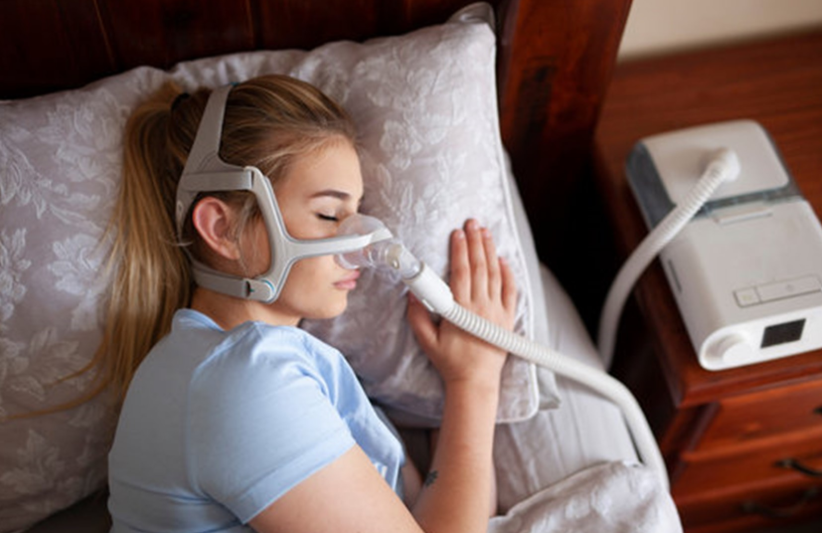
A home sleep study is a diagnostic tool used to identify sleep-disordered breathing, primarily obstructive sleep apnea. It allows patients to be monitored in their own homes instead of a sleep laboratory. The study uses portable monitoring equipment to record specific physiological data throughout the night, which a sleep specialist later analyzes to determine if a sleep disorder is present.
What Does It Involve?
A home sleep study begins with receiving a testing kit from a sleep clinic, which includes instructions on how to use the equipment. The patient wears several sensors while they sleep, and they are attached to different parts of the body. These sensors are designed to be as unobtrusive as possible.
The monitoring device typically records breathing effort, airflow, blood oxygen levels, and heart rate. After the study is complete, the patient returns the equipment to the clinic. A sleep specialist interprets the recorded information to make a diagnosis, and the patient can begin the journey to more restful sleep.
See also: Lucy Payton @ HealthSciencesForum: Transforming Health Education for Everyone
Consult a Sleep Specialist Today
Understanding the role of sleep specialists and the diagnostic tools they use is the first step toward addressing sleep-related issues. These medical experts can identify the root cause of your sleep problems and guide you toward effective treatment. A proper diagnosis can improve your quality of life. If you suspect you have a sleep disorder, schedule a consultation with a sleep specialist today.