The Intersection of Dermatology and Skin Health in Everyday Life

Dermatology is the medical practice dedicated to the health of the skin, hair, and nails. This field examines how various internal and external factors influence these parts of your body. Elements you encounter daily can have a direct impact on your skin’s condition. Here is some information about the intersection of dermatology and skin health in everyday life:
Environmental Influences
Your surroundings play a large part in your skin’s health. Some evironmental factors that influence appearance and texture include:
- Sun exposure: Ultraviolet (UV) radiation contributes to changes in skin texture and appearance over time. Prolonged time outdoors without sun protection increases exposure to UV rays, which may result in noticeable effects on skin tone and aging.
- Pollution and airborne particles: These might also settle on the skin, potentially leading to irritation or clogged pores. For those living in urban areas, exposure to car exhaust, dust, and industrial emissions can impact the skin’s surface, sometimes resulting in dryness or breakouts.
- Weather conditions: Low humidity in the winter, can strip moisture from your skin, leaving it feeling dry and tight. High humidity may increase oil production for some individuals, creating a feeling of greasiness or an increased likelihood of blemishes.
Lifestyle Changes
Simple adjustments to your daily routines can affect your skin. Getting enough sleep allows your body to go through its natural repair processes and maintain resilience against stressors. A consistent lack of sleep might be linked to duller-looking skin, dark circles, or increased visibility of fine lines.
Managing stress through activities like exercise, hobbies, social connection, or mindfulness is another helpful component. High levels of ongoing stress have been associated with flare-ups of some skin conditions, such as eczema or acne. Physical activity increases blood flow, which helps nourish skin cells and move waste products away. Whether you choose walking, yoga, or team sports, they can support overall health and may contribute to skin’s appearance.
The products you use, from laundry detergents to skincare items and makeup, also come into direct contact with your skin and may cause reactions depending on their ingredients. Choosing fragrance-free or hypoallergenic products is a helpful approach when irritation is a concern. For persistent skin issues, consulting a dermatology professional can provide personalized guidance for additional lifestyle changes.
See also: Lucy Payton @ HealthSciencesForum: Transforming Health Education for Everyone
Eating Habits
What you eat and drink contributes to your skin’s foundation. A balanced diet provides the nutrients your body uses to build and repair skin cells. Including a variety of fruits, vegetables, whole grains, lean proteins, and healthy fats may support overall wellness and help meet daily nutrient needs. Vitamin C is found in oranges and bell peppers and helps in the regular function of skin, while zinc from beans or nuts has roles in repair and maintenance.
Drinking water also helps maintain skin moisture from the inside out. Some beverages, such as sugary drinks or those high in caffeine, may affect your skin differently than water or herbal teas. Antioxidants found in blueberries, spinach, or green tea, also support the body’s natural defense systems, which play a part in protecting skin cells.
Medication Side Effects
Certain medications have side effects that manifest on the skin. Some prescriptions increase your skin’s sensitivity to sunlight, making you more prone to sunburn, even during short periods outdoors. Other medications might cause dryness, rashes, itching, or changes in pigmentation as a side effect. It is beneficial to be aware of the potential skin-related side effects for medications you are taking; these are usually included in the information leaflet that comes with each prescription.
Visit a Dermatology Clinic
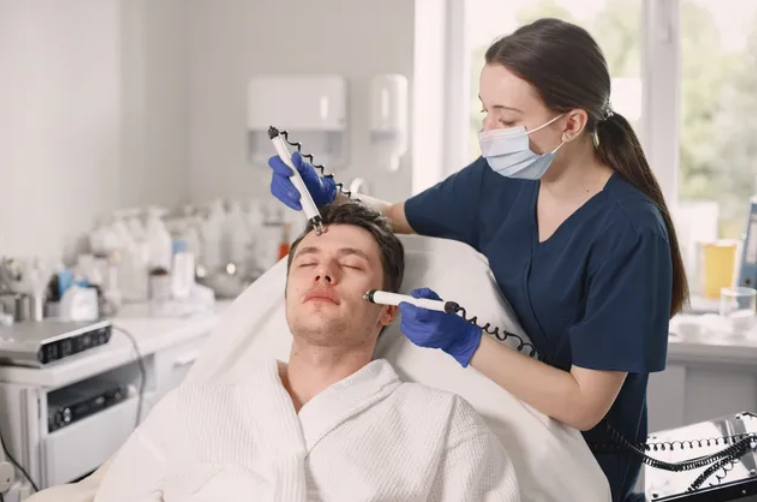
Your skin reflects a combination of your environment, habits, and overall health. A dermatologist is trained to diagnose and treat conditions related to the skin, hair, and nails. They can provide personalized guidance based on your specific situation and medical history, accounting for external and internal factors. If you notice ongoing changes or are unsure about your skin’s needs, schedule a professional evaluation today.