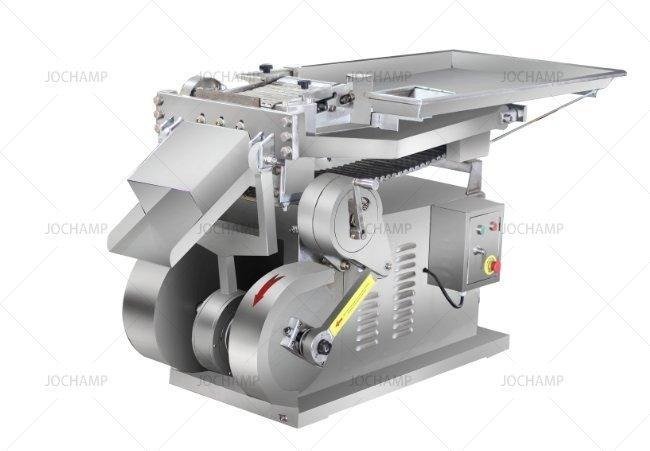
Safe Operation of a Tobacco Leaf Cutting Machine: A Practical Guide

A tobacco leaf cutting machine is a powerful piece of equipment. Sharp blades, moving rollers and a fast cutter head demand respect, and the operators who use them every day are the ones most at risk if safety slips. A practical safety routine protects people, keeps production running and costs very little to maintain.
Know the Machine Before You Start
Every operator should understand the machine before switching it on. Know where the cutter head sits, how the feed rollers work, where the emergency stop is and what each guard protects. Read the manual, and ask an experienced colleague to walk you through the machine on your first day.
A tobacco leaf cutting machine should never be run with guards removed or safety switches bypassed. Guards exist because the cutter is dangerous, and a shortcut that saves a minute can cost far more. If a guard is damaged, report it and have it repaired before the machine runs again.
Starting Up Safely
Begin each shift with a quick check. Look over the tobacco leaf cutting machine for loose parts, damaged guards or built-up residue. Check that the emergency stop works, that the feed area is clear and that no tools have been left inside the machine. Only then switch on and let the machine reach its normal speed before feeding leaf.
Feed the leaf as the manual describes, keeping hands clear of the rollers and the cutter opening. Use the feed guides and pushers provided rather than your hands, and never reach into the feed area while the machine is running. If leaf jams, stop the machine fully and wait for all movement to cease before clearing it.
Clothing and Personal Protection
Loose clothing, long sleeves that hang, jewellery and untied hair all catch easily in moving parts. Wear close-fitting work clothes, tie back long hair and remove rings and bracelets before operating the machine. Safety glasses protect the eyes from flying fragments, and a dust mask helps in a cutting area where fine particles fill the air.
Hearing protection is worth considering too. A tobacco leaf cutting machine running for hours produces steady noise, and hearing damage builds up quietly over time. Ear defenders or plugs are a small habit that protects you for years.
Cleaning and Maintenance Safety
Cleaning is when many accidents happen, because guards are opened and hands go near the blades. Always isolate the machine before cleaning: switch it off, lock it out if your workplace uses a lockout system, and wait until every moving part has stopped. Never clean the cutter head while the machine is powered.
Blade changes need the same care. Handle blades with cut-resistant gloves, keep them in their protective covers when not fitted, and store them safely. A blade dropped on the floor is dangerous to everyone nearby, so handle them with both hands and full attention.
5 Safety Rules for Every Shift
- Never run the machine with guards removed or safety switches bypassed.
- Keep hands, loose clothing and hair well clear of rollers and the cutter.
- Stop the machine fully and wait for it to halt before clearing a jam.
- Isolate the power before cleaning, changing blades or doing maintenance.
- Report damaged guards, faulty switches or unusual sounds at once.
Training New Operators
New operators need proper training, not just a quick demonstration. Pair them with an experienced colleague for their first shifts, and check that they can start up, feed, stop and clean the machine safely before they work alone. A short written checklist for each task helps new staff remember the steps.
Refresher training matters too. Even experienced operators develop shortcuts over time, and a periodic review of safe practice catches bad habits before they cause an accident.
What to Do When Something Goes Wrong
If the machine makes an unusual sound, vibrates strangely or produces a poor cut, stop it and investigate. Do not keep running a machine that is behaving oddly. If someone is injured, stop the machine, give first aid and report the incident so the cause can be found and fixed.
Keep a first aid kit near the tobacco leaf cutting machine, and make sure everyone knows where it is. Knowing what to do before an accident happens makes the response calmer and faster when it matters.
Housekeeping Around the Cutter
Good housekeeping is part of safety. Keep the floor around the tobacco leaf cutting machine clear of loose leaf, offcuts and tools, so nobody trips and nothing gets drawn into the machine. Sweep up spilled leaf promptly, because a slippery floor near moving equipment is an accident waiting to happen. Store blades, tools and spares in their proper places, and keep walkways clear at all times. A tidy cutting area is a safer cutting area, and it also makes the work itself easier and more pleasant.
See also: How Innovative Physiotherapy Techniques Improve Pain Management
Frequently Asked Questions
Do I need special training to operate a tobacco leaf cutting machine?
Yes. Proper training on start-up, feeding, cleaning and emergency stops is essential before operating the machine alone.
What is the most common safety mistake?
Reaching into the feed area while the machine is running, usually to clear a jam. Always stop the machine fully first.
How often should safety checks be done?
A quick check at the start of every shift, with a fuller inspection during scheduled maintenance. Guards, switches and the emergency stop should be checked regularly.
Final Thoughts
Safe operation of a tobacco leaf cutting machine comes down to simple habits: know the machine, keep the guards in place, keep your hands clear, isolate power before maintenance and report problems early. A safe workshop is a productive workshop, and the few minutes spent on safety each day protect the people who keep the line running.