Dr. Boutros Mikhail: How Laser Technology Is Reshaping Modern Dermatology Care

Dr. Boutros Mikhail is a Toronto-based physician and general practitioner whose three-decade career has included diverse clinical experience, from emergency room settings to dermatology care for skin conditions, viral infections, and skin cancer. He has treated more than 2,200 patients across multiple clinics, drawing on expertise in cardiology, dermatology, and endocrinology while prioritizing transparent, culturally competent communication with every patient he serves. He earned his M.B.Ch.B. from the Faculty of Medicine in Cairo, holds a distinction diploma in Practical Dermatology from Cardiff University, and maintains a full license from the Ontario College of Physicians and Surgeons as a board-certified family medicine physician. Beyond his clinical work, he mentors medical students at the McMaster University Faculty of Medicine, sharing his experience in evidence-based, patient-centered care that includes advances in modern dermatology treatments such as laser therapy.
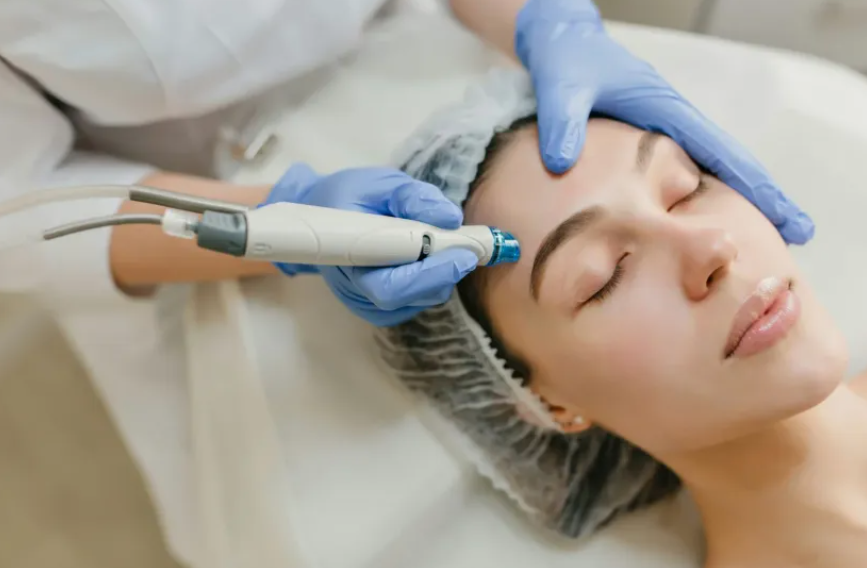
Light amplification by stimulated emission of radiation (laser) technology has become a significant resource in modern dermatology, helping physicians address a range of skin concerns. Once associated mainly with cosmetic procedures, lasers are now used for both medical and aesthetic purposes, including treating pigmentation, vascular lesions, scars, wrinkles, unwanted hair, and other skin conditions.
See also: Panic Attack Therapy: Techniques to Regain Control Quickly
Laser light, unlike ordinary light, can be concentrated into a highly focused beam. This allows dermatologists to direct energy toward specific skin structures and minimize the effect on surrounding tissue. Modern laser treatments can therefore provide controlled treatment without necessarily requiring traditional surgery.
Laser treatments work by delivering concentrated light energy to the skin. Different types of lasers emit different wavelengths of light, and each wavelength interacts with specific structures or components of the skin. Popular targets include melanin, blood vessels, water within skin tissue, or other specific structures. The focus is to affect the intended target while limiting damage to surrounding tissue.
The choice of laser primarily depends on the condition being treated. For example, lasers that interact with blood vessels can be used for certain vascular concerns. The duration and intensity of the laser pulse also influence how the treatment affects the skin. This makes laser therapy highly adaptable to different dermatological needs.
Laser treatments are categorized into ablative and non-ablative approaches. Ablative lasers remove controlled amounts of the outer layers of the skin, encouraging new skin to develop during the healing process. Non-ablative lasers work beneath the skin’s surface and can stimulate collagen production without removing the outer layer. The appropriate approach depends on the patient’s condition, treatment goals, and skin characteristics.
Laser therapy in dermatology offers several benefits, including precision. Since the energy can be directed to specific areas, dermatologists can treat particular skin concerns while limiting exposure to nearby tissue.
Laser treatment stimulates collagen production. Collagen is an important structural protein that contributes to skin firmness and elasticity. Certain laser procedures encourage the skin’s natural healing and remodeling processes, which gradually improve texture and reduce the appearance of fine lines and wrinkles.
Many laser procedures are minimally invasive compared to surgical treatments. Depending on the type of laser used and the treatment area, sessions may take a relatively short time and require little or no downtime. However, recovery varies considerably. Less intensive treatments may cause only temporary redness or sensitivity, while more aggressive resurfacing procedures may require several days of healing.
Laser technology has a wide range of dermatological applications, including skin resurfacing. Resurfacing lasers remove areas of damaged skin and stimulate the development of healthy tissue. This innovation can be used to improve fine lines, wrinkles, uneven texture, sun damage, and certain scars.
This technology also helps in managing acne scars. Certain lasers can improve the appearance and texture of scarred skin by promoting controlled skin remodeling and collagen production. Importantly, laser therapy does not necessarily eliminate scars completely, but it can make them less noticeable and improve overall skin texture.
Besides, laser treatment can address multiple pigmentation issues, such as sunspots, age spots, and freckles. These procedures work by directing energy toward pigment within the skin, after which the body gradually clears the affected pigment.
Another application is the treatment of vascular skin concerns. Certain lasers target blood vessels and can be used to treat conditions involving facial redness, visible blood vessels, and certain vascular lesions. By selectively targeting the blood vessels, these treatments can reduce their appearance while limiting damage to surrounding tissue.
Lastly, laser treatments are important for removing unwanted hair. Laser hair reduction directs light energy toward the hair follicle, and this energy is absorbed and converted into heat, which impairs the follicle’s ability to produce hair. Since hair grows in different cycles, multiple treatment sessions are generally required for meaningful and longer-lasting reduction.
About Dr. Boutros Mikhail
Dr. Boutros Mikhail is a Toronto-based general practitioner with more than 20 years of experience treating patients across multiple clinics in and outside Toronto, Ontario. His practice spans cardiology, dermatology, and endocrinology, and he has cared for chronic and acute conditions in both hospital and rural settings, including Newfoundland. He holds a full license from the Ontario CPSO, is a member of the Ontario Medical Association, and is a fellow of the College of Family Physicians of Canada.