Laparoscopic Surgery: How Smarter Instruments Changed the Operating Room

Not long ago, most abdominal surgery meant a large incision, a long hospital stay, and weeks of recovery. Today, many of those same procedures are performed through a few small openings, with patients often going home within a day or two. That shift is one of the most significant changes in modern medicine.
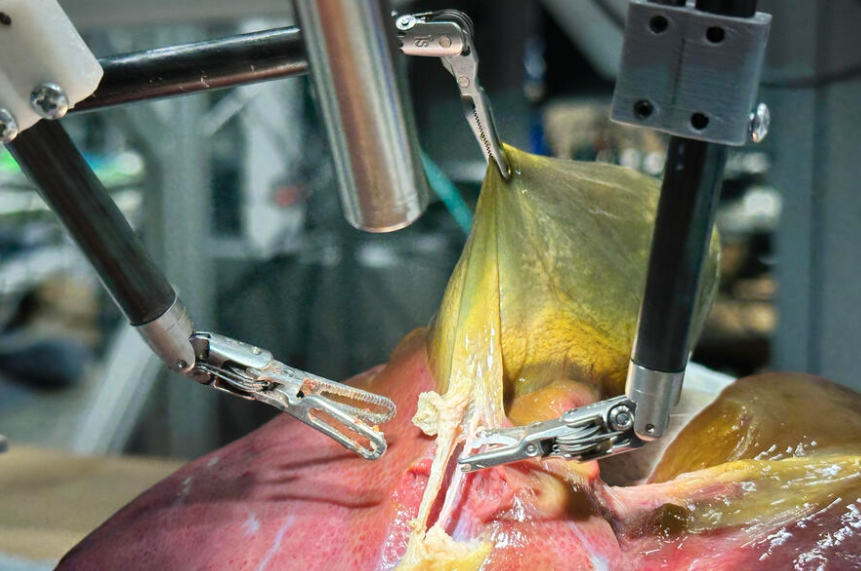
Behind it is a set of specialized tools designed to work through tiny ports. Laparoscopic instruments allow surgeons to see, grasp, cut, and stitch inside the body without opening it up, and their evolution has been just as important as the cameras and monitors that made keyhole surgery possible.
What Is Laparoscopic Surgery?
Laparoscopic surgery, often called minimally invasive or keyhole surgery, is performed through small incisions in the abdomen. The abdomen is gently inflated with carbon dioxide to create working space. A laparoscope, a thin tube with a camera and light source, is inserted through one port and sends a magnified image to a monitor.
The surgeon then uses long, slender instruments inserted through other ports to perform the operation while watching the screen. Common procedures include gallbladder removal, appendectomy, hernia repair, and many gynecological operations.
See also: How Innovative Physiotherapy Techniques Improve Pain Management
The Core Toolkit
A typical laparoscopic set includes several key instrument types. Trocars and cannulas create and maintain the entry ports. Graspers hold and manipulate tissue. Dissectors separate tissue layers. Scissors cut tissue and sutures. Needle holders allow surgeons to stitch inside the body. Clip appliers seal blood vessels and ducts, while suction and irrigation instruments keep the surgical field clear.
Most of these instruments are available in standard diameters, commonly around 5 mm and 10 mm, so they fit through matching ports.
Engineering Challenges of Working Through a Port
Designing tools for laparoscopy is far harder than designing traditional instruments. The surgeon’s hand is outside the body, often 30 centimetres or more away from the tissue being handled. Every movement must travel along a long shaft, through a pivot point at the port, and into a small jaw at the tip.
That creates several challenges. Instruments must transmit force accurately without bending. Jaws must grip firmly but gently. Handles must be ergonomic enough for long procedures without causing hand fatigue. And because many laparoscopic tools are used with electrosurgery, their shafts need reliable insulation to prevent accidental burns.
Reusable Versus Disposable Instruments
Hospitals face an ongoing choice between reusable and single-use laparoscopic tools. Disposable instruments offer guaranteed sterility and sharpness for each procedure but create more waste and higher per-procedure costs.
Reusable instruments, made from high-grade stainless steel, can last for years when properly cleaned and maintained. Many modern designs are modular, meaning the handle, shaft, and tip can be separated for thorough cleaning and replaced individually if one part wears out. For many hospitals, especially in cost-sensitive markets, high-quality reusable sets offer a strong balance of performance and value.
Caring for Reusable Laparoscopic Tools
Reusable laparoscopic instruments need careful handling to perform well over time. Their long, narrow shafts and small channels can trap blood and tissue, so thorough cleaning is essential before sterilization. Many designs include flushing ports that allow cleaning solutions to reach inside the shaft.
Sterile processing teams also inspect insulation for cracks or damage, check that jaws open and close smoothly, and confirm that ratchets and rotation knobs work properly. Damaged insulation is a particular concern, because it can allow electrical current to escape during electrosurgery. Regular inspection, proper lubrication of moving parts, and prompt repair help reusable sets stay safe and reliable for years.
Innovations Shaping the Field
Laparoscopic technology continues to advance. Articulating instruments with tips that bend and rotate give surgeons more freedom of movement in tight spaces. Improved ratchet mechanisms and rotating shafts make fine manipulation easier. High-definition and 3D imaging systems help surgeons see detail more clearly than ever before.
Robotic-assisted surgery builds on the same principles, using robotic arms to hold and move instruments with remarkable precision. Even so, conventional laparoscopy remains widely used around the world because it is effective, accessible, and more affordable.
Benefits for Patients and Hospitals
For patients, minimally invasive surgery typically means smaller scars, less pain, lower risk of wound infection, and a faster return to normal life. For hospitals, shorter stays free up beds and reduce overall costs.
These benefits depend heavily on instrument quality. A grasper that slips or a pair of scissors that doesn’t cut cleanly can slow a procedure and frustrate even the most skilled surgeon.
The Bigger Picture of Minimally Invasive Care
Laparoscopy is part of a broader move toward less invasive medicine. Alongside it, modern endoscopy equipment lets doctors examine and treat the digestive tract, airways, and other areas through natural openings, with no incisions at all. Together, these technologies are steadily reducing the trauma of diagnosis and treatment.
As instruments grow more precise, durable, and ergonomic, keyhole surgery will continue to expand into new procedures, bringing faster recovery and better outcomes to more patients every year.