What Are Dental Implants? Benefits, Types, and What to Expect

Losing a tooth can affect more than your smile. It may make chewing certain foods difficult, change the way you speak, or leave you feeling self-conscious. Fortunately, there are many treatment options that can replace missing teeth, including dental implants.
Dental implants are designed to replace missing tooth roots and support new teeth. They can restore chewing function and help maintain the jawbone, making them an option worth exploring for many people with missing teeth.
What Are Dental Implants?
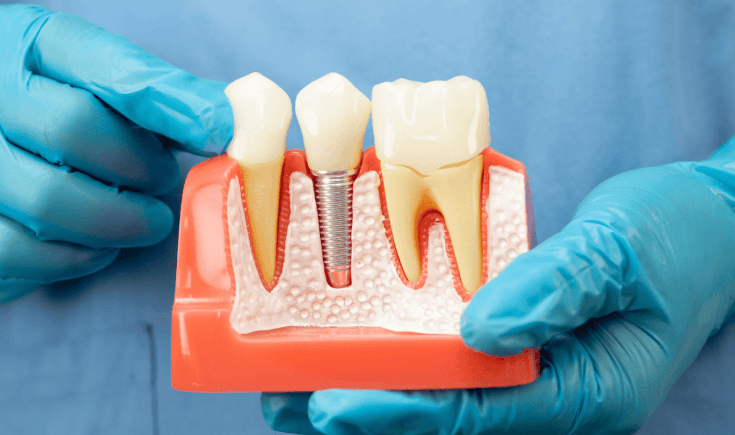
Dental implants are small posts, usually made from titanium or another biocompatible material, that are placed in the jawbone to support replacement teeth. As the area heals, the bone gradually bonds with the implant in a process called osseointegration.
A complete dental implant typically has three parts:
- Implant post: The part placed in the jawbone that serves as an artificial tooth root.
- Abutment: A connector attached to the implant post that supports the replacement tooth.
- Crown or other restoration: The visible replacement tooth, bridge, or denture attached to the implant.
Implant-supported teeth are anchored to implants in the jaw. Depending on how many teeth are missing, a person may need one implant or several to support a larger restoration.
What Are the Benefits of Dental Implants?
Dental implants offer the following potential benefits for people who want to replace missing teeth:
Improved chewing function: Missing teeth can make it harder to bite and chew comfortably. Implant-supported replacements provide a stable surface for eating, although patients may need to adjust their diet during healing.
A natural-looking appearance: Crowns and other implant-supported restorations are designed to fit the surrounding teeth. The goal is to create a replacement that looks appropriate for the person’s smile.
Support for jawbone health: The jawbone can shrink over time after tooth loss because it no longer receives the same stimulation from the missing tooth root. Implants can help reduce this bone loss around the implant site.
Stability: Because implants are anchored in the jawbone, they can provide greater stability than conventional removable dentures. This may make speaking and eating more comfortable for suitable patients.
Preservation of neighbouring teeth: A traditional dental bridge may require reshaping the teeth next to a gap. A single-tooth implant can often replace the missing tooth without altering those adjacent teeth.
Implants still require careful maintenance. Gum inflammation, infection, bone loss around an implant, and implant failure can occur, so regular dental visits and good oral hygiene remain important.
What Are the Different Types of Dental Implants?
The most suitable implant treatment depends on how many teeth are missing, the condition of the jawbone, and the patient’s overall oral health:
1. Single-Tooth Implants
A single-tooth implant replaces one missing tooth. The implant post supports an individual crown, creating a replacement without relying on neighboring teeth for support.
This option may suit someone who has lost a tooth through injury, decay, or another dental problem, provided the surrounding tissues and jawbone are suitable.
2. Implant-Supported Bridges
When several adjacent teeth are missing, an implant-supported bridge may replace them. Instead of placing an individual implant for every missing tooth, a dentist may use strategically positioned implants to support a connected row of replacement teeth.
The number of implants required depends on the treatment plan and the amount of support needed.
3. Full-Arch Implant Restorations
People missing most or all the teeth in an upper or lower jaw may be candidates for a full-arch restoration. This treatment uses several implants to support a complete set of replacement teeth.
Options include fixed implant-supported teeth and implant-retained dentures, which may be removable for cleaning. All-on-4 is one approach that uses four implants to support a full arch in selected patients. Other configurations may use more implants.
These options differ in cost, maintenance, stability, and whether the teeth can be removed by the patient. A dental specialist can explain which approach fits the individual’s needs.
Who Is a Good Candidate for Dental Implants?
Dental implants may be suitable for adults who have one or more missing teeth and want a stable replacement.
A dental specialist will generally assess:
- Jawbone support: There must be enough suitable bone to support the implant, although bone grafting may be an option for some patients.
- Gum health: Active gum disease may need treatment before implant placement.
- General health: Certain medical conditions and medications can affect healing and surgical planning.
- Smoking habits: Smoking can interfere with healing and reduce the likelihood of long-term implant success.
- Oral hygiene: Implants need regular cleaning and professional monitoring to remain healthy.
Age alone does not determine suitability. The decision depends on an individual’s development, oral health, medical history, and treatment goals.
What to Expect During the Dental Implant Process
Dental implant treatment usually takes place over several stages. The exact timeline varies depending on the number of implants, bone quality, and whether additional procedures are necessary.
1. Consultation and assessment
The process begins with a review of the patient’s medical and dental history, an examination of the mouth, and appropriate imaging. These assessments help the dental specialist evaluate bone support, identify potential concerns, and plan implant placement.
2. Implant placement
During surgery, the dental specialist places the implant post in the jawbone using appropriate anaesthesia. Some patients may need a tooth extraction, bone grafting, or other preparatory treatment before or during this stage.
3. Healing and bone integration
The implant needs time to bond with the jawbone. This stage can take several months. A temporary tooth or restoration may be provided, depending on the clinical circumstances, but not every patient can receive an immediate replacement.
4. Attachment of the replacement tooth
Once the implant has healed sufficiently, the abutment and final crown, bridge, or denture can be attached. The dental specialist checks the fit, bite, and comfort of the restoration.
Although some patients can receive temporary teeth on the day of surgery, this does not mean the implant has fully healed. Immediate restoration is appropriate only in selected cases.
See also: The Importance of Health in Everyday Life
Do Dental Implants Hurt? What Is Recovery Like?
Dental implant placement is usually performed with local anesthesia, and additional sedation may be available where appropriate. Patients may experience discomfort, swelling, bruising, or minor bleeding after surgery.
These symptoms generally improve as healing progresses, although recovery varies from person to person. The dental specialist will provide instructions on oral hygiene, eating, medication where needed, and follow-up appointments.
During early recovery, patients may need to eat softer foods and avoid putting excessive pressure on the surgical area. They should also avoid smoking and follow the recommended cleaning routine.
How Long Do Dental Implants Last?
Dental implants can serve as long-term tooth replacements. However, success depends on factors such as bone health, gum health, smoking, oral hygiene, and regular professional care.
The implant post and the crown it supports also have different maintenance needs. The post may remain functional for many years, while the crown or other restoration may need repair or replacement because of wear or damage.
To help maintain an implant:
- Brush twice daily and clean carefully around the implant.
- Use any additional cleaning aids recommended by the dental specialist.
- Attend routine dental check-ups and professional cleanings.
- Seek advice promptly if the gums become swollen or bleed around the implant.
- Avoid using the replacement teeth to bite objects that could damage them.
How Do You Choose the Right Dental Implant Provider?
Choosing a provider is an important part of the treatment process. Look for a qualified dental professional with relevant implant training and experience who can explain the available options, potential risks, costs, and expected timeline.
Ask questions about the proposed treatment plan, the imaging used to assess your jawbone, the type of restoration recommended, and the follow-up care you will receive. You should also understand whether additional procedures may be needed and what alternatives are available.
For people exploring dental implants in Houston, Hanna Dental Implant Center provides information about single-tooth implants, implant-supported bridges, and full-arch restorations. A consultation can help you understand your options and determine which treatments may suit your individual needs.